
Risk to Resilience: Strengthening Packaging Supply Chains
In a market that faces changing conditions, packaging continuity depends on more than just compliant materials — it depends on having options. Below, we outline why relying on a single paperboard choice can introduce avoidable risk for healthcare brands and how to strengthen the resilience of the packaging supply chain.
When a Qualified Specification Becomes a Single Point of Dependency
For healthcare packaging, material choices are locked down through standardised qualification and change-control processes — and for good reason. But when a company limits its approval to only one specification of paperboard from a specific mill or supplier, it can unintentionally create a single point of failure in the packaging supply chain. In a critical time, when specific paperboard becomes constrained or unavailable, even short interruptions can cascade into production delays, expedited logistics, and potential service-level impacts across critical product lines.
Why the European Paperboard Market Is Changing
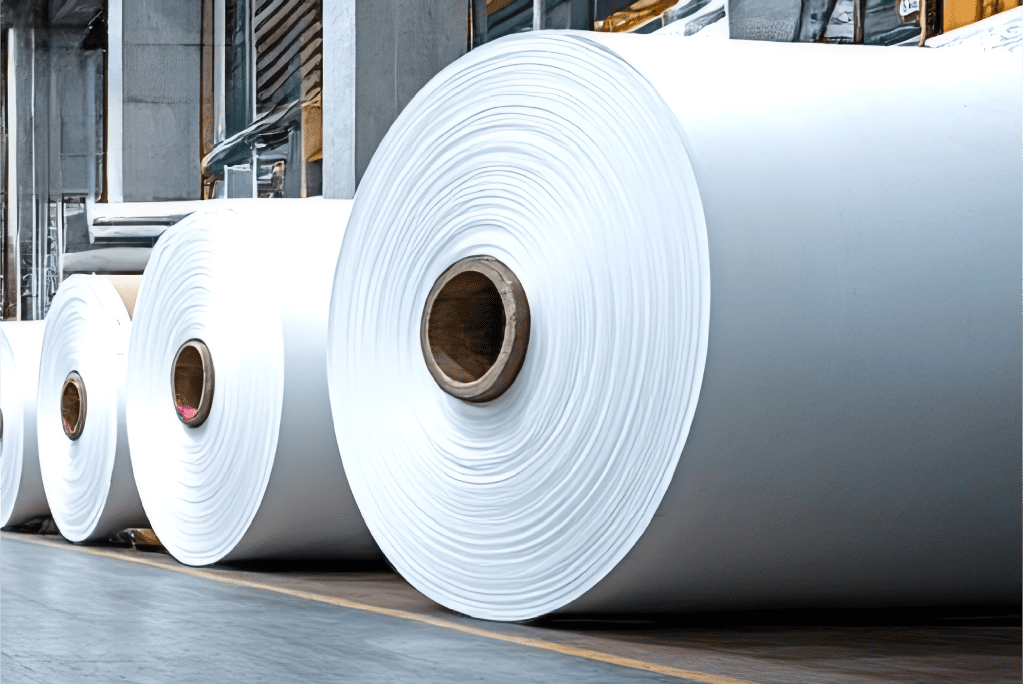
This risk is amplified in today’s European paperboard market in combination with the industrial process of paperboard production. The overall capacity of paperboard in Europe is currently around 14 million tonnes. While virgin paperboard capacity has expanded as mills anticipated a faster shift from plastic to fibre-based packaging, overall packaging demand has softened amid inflationary pressure and weaker consumer confidence — particularly in food and beverage, the largest paperboard-consuming sector. In the medium term, additional capacity is also coming onstream globally: five new mills are expected in the next five years, with the majority located outside Europe (four of the five in the Far East and the Americas). At the same time, European mills face intensifying environmental pressure, including the energy footprint of production and the operational impact of processing mixed waste that exceeds the 1.5% Non-Paper Material (NPM) maximum per bale. Over the longer term, these pressures are already translating into consolidation: four (smaller) European mills have closed in the last two years, and more closures are predicted in the coming years. The combined effect is an oversupplied, highly competitive market, where capacity exceeds the actual demand. Considering that paperboard-making is a continuous process industry, the situation is expected to force manufacturers to protect margins through rationalisation.
What Market Consolidation Could Mean for Availability and Lead Times
As capacity is taken out of the system, some mills may close individual machines, discontinue grades, or, in more severe cases, exit the market altogether. For healthcare brands that have qualified only one paperboard, that kind of disruption can become immediate: supply allocations tighten, substitution is not permitted without formal approval, and qualifying an alternative board takes extensive time and effort. The most resilient approach is to anticipate this scenario — building qualified options before a disruption occurs — so continuity is maintained even if the market changes quickly.
The good news is that this risk can be managed proactively. By building approval pathways for more than one paperboard option, healthcare organisations can reduce dependency on any single mill or grade while maintaining the required pack performance and compliance standards. Below are three practical ways we support customers through the contingency planning, qualification and implementation steps needed to enable secure continuity of supply.

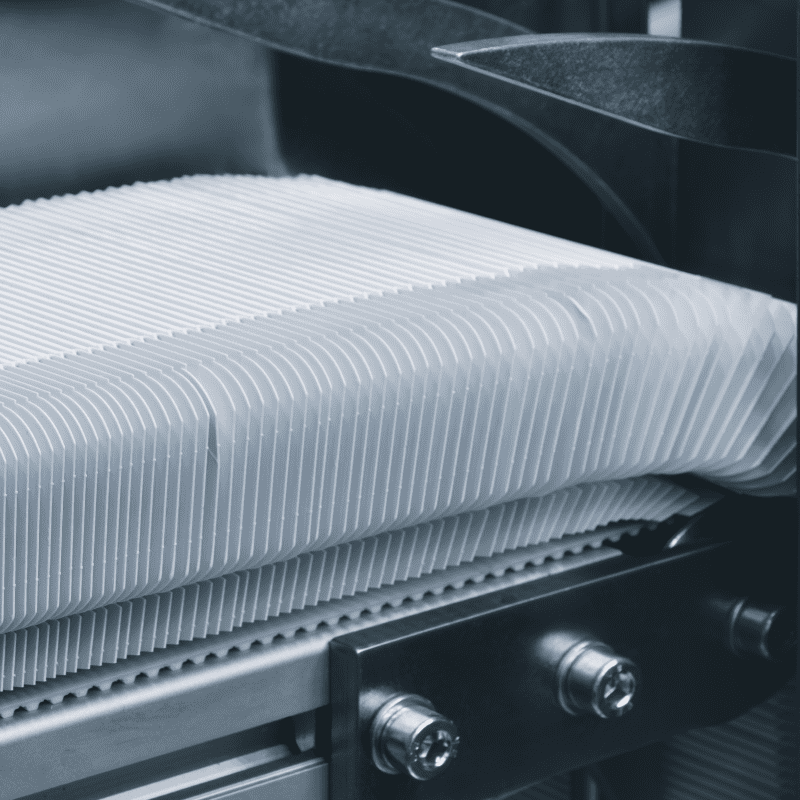

1: Build resilience with a pre-approved paperboard contingency plan
Selecting the right paperboard is critical to maintaining pack appearance, functionality, machinability and performance KPIs. We work with your teams to translate your current specs (e.g., caliper, stiffness, COBB, brightness/whiteness, shade, print requirements and barrier needs) into a clear set of acceptance criteria, then identify suitable alternative paperboards that can meet those requirements.
Because Graphic Packaging sources paperboard from a broad base of manufacturers across Europe, we can quickly propose realistic options and align them to specific products in your portfolio — so you have a practical, documented contingency route rather than a last-minute substitution request during a disruption.


2: De-risk qualification through structured trials, testing and documentation
Approving an alternative paperboard should not mean compromising on compliance or performance. We can support you with a step-by-step qualification approach — from lab and printability assessments through to packaging line trials — to demonstrate that the alternative performs as well as the original in forming, printing, gluing, coding/serialisation, and downstream handling.
Where appropriate, we help define an agreed test plan, success criteria and sampling strategy, and we provide the technical data and manufacturing information needed for your internal change-control and regulatory documentation. The goal is to create an evidence-based approval package that enables confident decisions and avoids unplanned downtime if a primary grade becomes constrained.
3: Align demand, lead times and inventory to protect continuity
Resilience in the supply chain is most effective when combined with transparent planning. By sharing forecasts (including product mix, peak periods and expected launches), we can align paperboard sourcing across approved options, plan production more accurately, and protect agreed lead times. We also work with you to define pragmatic buffer strategies — such as safety stock, call-off agreements or warehousing approaches — so packaging is delivered on time and in full even when the market is volatile. This collaboration improves overall agility: if the supply picture changes, we can switch between pre-approved paperboards with minimal operational impact while maintaining the quality and compliance expectations of healthcare packaging.

What’s Next?
If you would like to explore dual-approval homologation options for your portfolio, our healthcare sales team is ready to help. Contact us to review your current specifications, discuss potential alternative paperboards and agree the most efficient route to testing and approval — so you can strengthen resilience before market uncertainty becomes a disruption.
Packaging is a tangible and highly visible product, and it’s understandable that people want to know where it comes from. But facts matter — and the facts show that the paperboard industry is not the driver of forest loss.
If anything, with responsible practices and expertise at the forefront, it’s part of the solution, keeping forests in active use, encouraging land stewardship, and maintaining critical carbon sinks.
To learn more about our “Better, Every Day” approach to sustainability, visit our sustainability area to explore our commitments in full.
Related Resources
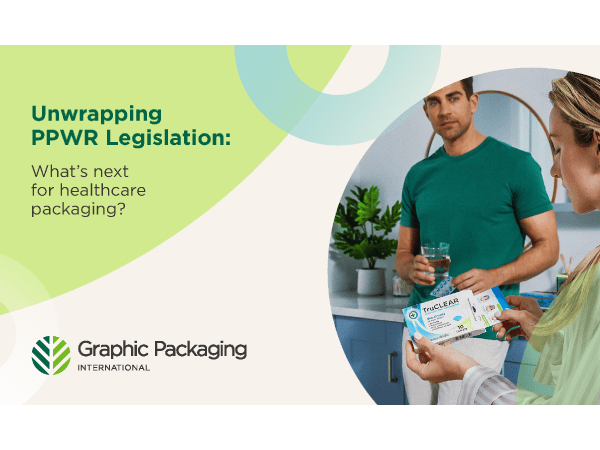
eBook
Unwrapping PPWR Legislation: What’s Next for Healthcare Packaging?
October 22, 2025
Discover how the Packaging and Packaging Waste Regulation (PPWR) is driving change in healthcare packaging.

Article
The Crucial Role of Packaging in the Control of Counterfeit Products in the Healthcare Market
October 17, 2023
Learn more about the crucial role of packaging to combat healthcare counterfeit products and the ways you can incorporate anti-counterfeiting strategies in your packaging.
Article
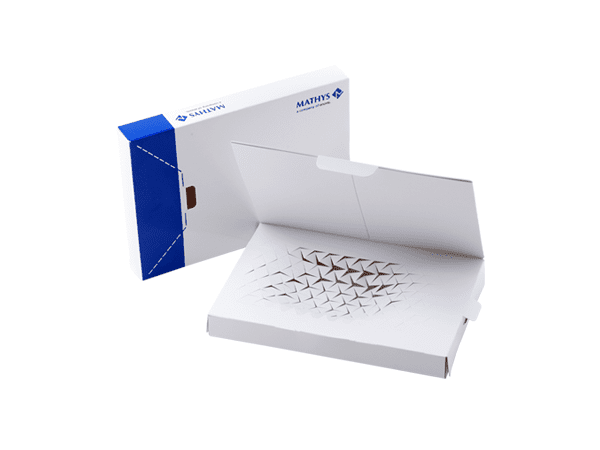
Mathys AG Medical Hip and Knee Implant Packaging: Setting a New Standard in Sustainable Medical Device Packaging
November 28, 2025
The Mathys AG medical hip and knee implant packaging sets a new standard in sustainable medical device packaging.