News
Paper Cup Recycling Access Reaches 20% in U.S.
May 8, 2026
Broader recycling access helps recover valuable fiber for new packaging products
Recycling access for paper cups has reached a new milestone in the United States. According to the Foodservice Packaging Institute (FPI), 20% of the U.S. population now lives in communities that accept both hot and cold paper cups for recycling — a fourfold increase from roughly 5% a decade ago.
“Expanding paper cup recycling access in the U.S. is a direct response to growing consumer demand for circular packaging solutions,” said Robbert Rietbroek, president and chief executive officer of Graphic Packaging International. “Investments across the recycling value chain, including Graphic Packaging’s advanced fiber recovery technology, are helping turn used paper cups into new packaging for many leading household brands.”
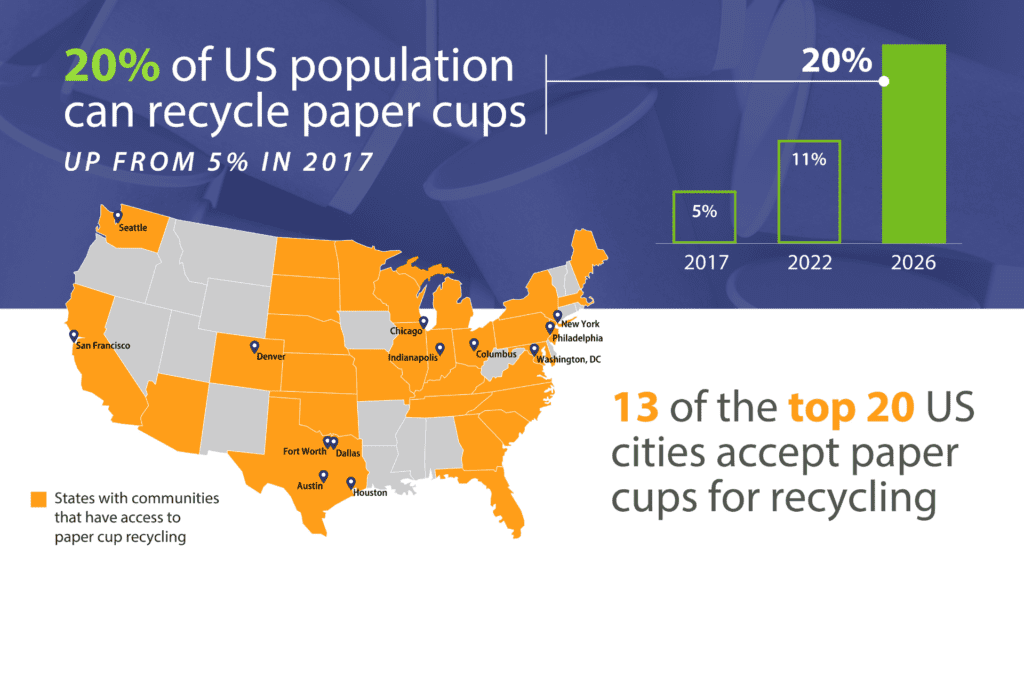
In 2026, Resource Recycling Systems found 20% of the U.S. population can recycle paper cups, up from 5% in 2017. Today, 13 of the top 20 U.S. cities accept paper cups for recycling.
Recent Milestones in Paper Cup Recycling
Increasing paper cup recycling is a cross‑industry effort, with Graphic Packaging playing a leading role. A major milestone came in mid‑2025, when ReMA — through updates to its ISRI recycling specifications — formally included paper cups as an allowable material in residential recycling streams. That update, driven by advocacy from Graphic Packaging and other key stakeholders, helped give haulers and recyclers the confidence to publicly declare acceptance of paper cups.
“Reaching this milestone took years of hard work and collaborative effort. We are proud of the progress that we’ve made and the many partnerships that made it possible,” said Natha Dempsey, president of the Foodservice Packaging Institute. “There is still more work to be done so that even more of the population can recycle their paper cups. FPI will continue to support efforts to strengthen end markets, increase collection and sorting, and improve communications within communities.”
Paper Cups Are Designed to Be Recycled
Decades ago, paper cups faced recycling challenges due to the thin plastic liner required for the cups’ structure. Today, advancements in recycling and fiber‑recovery technology make it possible to separate that liner and recover the cup’s valuable fiber. Investments across the recycling system, such as Graphic Packaging’s Waco, Texas facility, are helping demonstrate that paper cups can be successfully recycled at scale.
This progress reflects years of collaboration across the recycling value chain. Communities, haulers, material recovery facilities and paper mills have invested in technology to recover fiber from used cups. Today, paper cups are recognized as a valuable source of fiber that can be recycled into new paper products, including paperboard packaging for consumer goods.
A key driver of this progress has been FPI’s Community Partnership program, which brings together local and industry stakeholders to expand acceptance of foodservice packaging, including paper cups. Since its launch, the program has helped enable recycling access for more than 8.9 million households nationwide.
Learn what makes paper cups recyclable — and why access matters.
Related News & Events
News
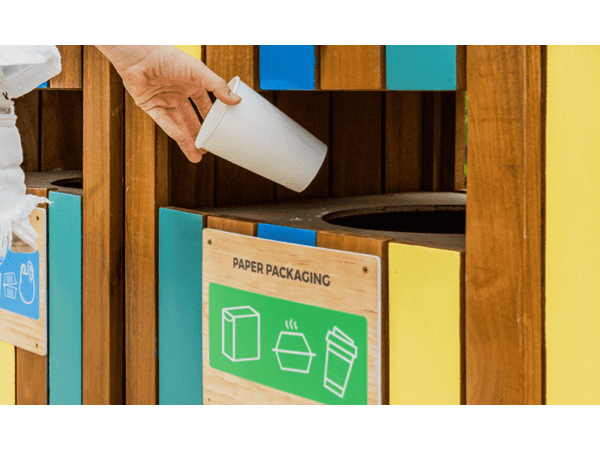
A Major Milestone for Paper Cup Recycling
July 28, 2025
The Recycled Materials Association (ReMA) for the first time added paper cups to its list of classifications for recycled materials. Find out why this is significant and what’s next for paper cup recycling.
News
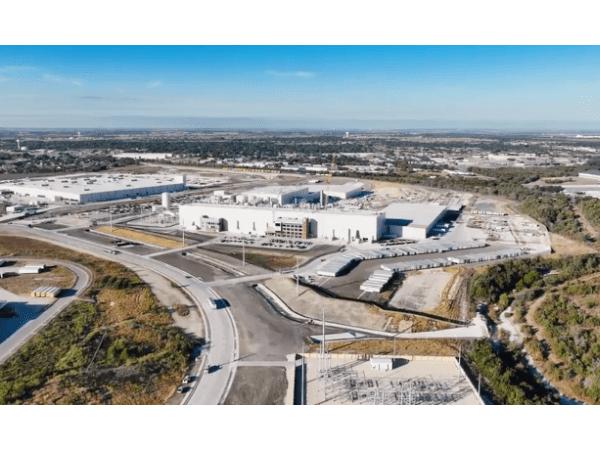
Graphic Packaging Launches Advanced Recycled Paperboard Facility in Waco, Texas
November 5, 2025
Graphic Packaging’s strategic investment in Waco, Texas establishes the most advanced, efficient and high-quality recycled paperboard production platform in North America. Hear more from President and CEO Mike Doss in this video.
News
Educating Communities About the RENEWABILITY of Sustainable Packaging
April 20, 2026
RENEWABILITY, Graphic Packaging’s signature outreach program, brings employees, youth and communities together to explore the renewability of trees, the importance of recycling, and environmental stewardship through tree-planting partnerships with the Arbor Day Foundation.