
Healthcare in 2026: Seven Forces Reshaping Demand
Healthcare in Europe and the UK is in a time of change. Digital tools, new regulations, an ageing population, evolving care models, tighter investment, and sustainability goals are reshaping how care is delivered and how products reach patients.
For businesses buying packaging at scale, this is no longer just about compliance or cost. Packaging is becoming part of the healthcare system itself: carrying data, protecting patients, supporting sustainability goals, and keeping complex supply chains running smoothly.
Read the article to discover seven key 2026 healthcare trends and the opportunities they present for healthcare packaging:
1. Digital Transformation Becomes Core Infrastructure


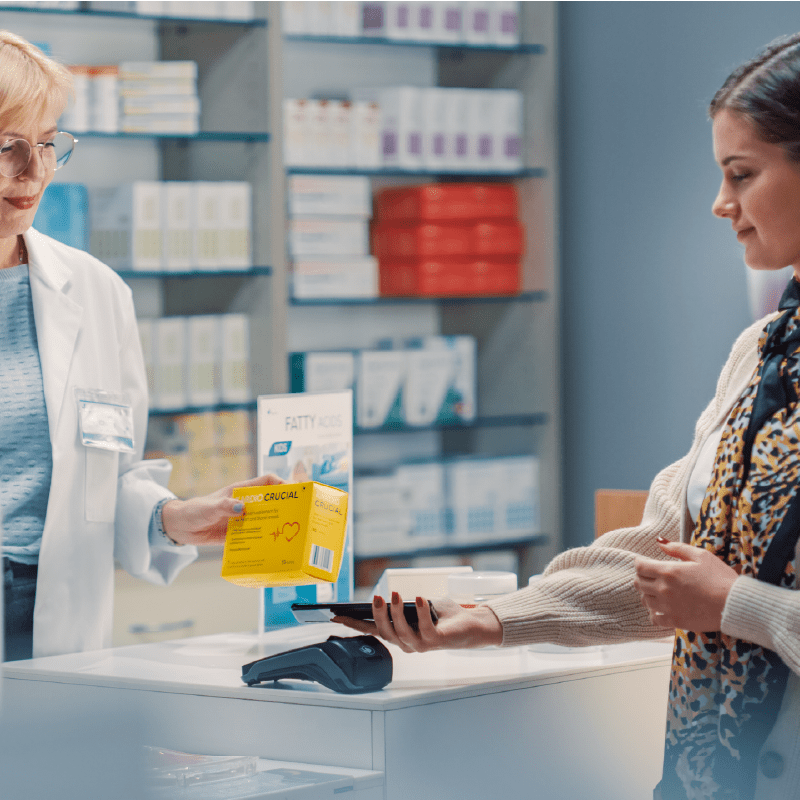
Artificial intelligence (AI) has developed into a core element of drug development, diagnosis, and patient triage. The European Health Data Space (EHDS) is making it easier to share health data across borders, while new “sandbox” programs let companies test AI safely under regulatory supervision. Fast Healthcare Interoperability Standards (FHIR) are becoming mandatory, not optional, allowing different health systems to communicate seamlessly. Trust sits at the heart of this transformation — and building it remains a critical challenge for healthcare systems globally.
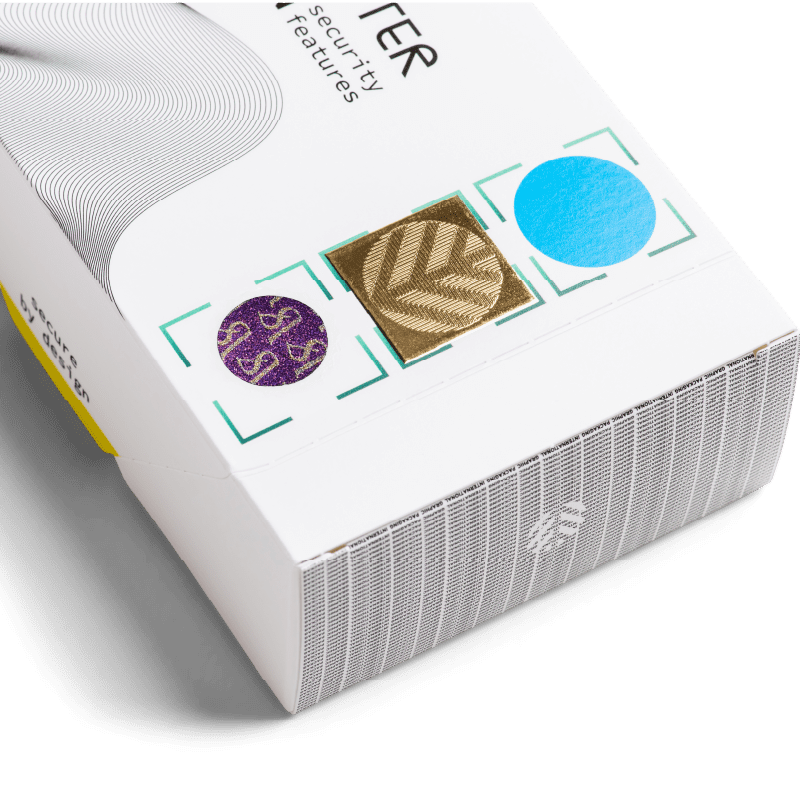
For packaging, this accelerates the move from being a silent container to an active part of the digital journey. Unique codes, QR links, NFC tags, and digital patient leaflets are becoming standard. Smart packaging can confirm authenticity, monitor temperature, and support patients in taking medicines correctly. Security features that prevent tampering and counterfeiting are no longer “nice to have”; they’re essential in a world where physical products are tightly linked to digital records.
2. Regulatory Evolution: From Burden to Differentiator

Rules across Europe and the UK are tightening. Drug pricing faces pressure (influenced partly by the US Inflation Reduction Act), approvals are more closely watched, AI integration must meet new regulations, and companies must show clearer proof of safety, value, and environmental impact. After Brexit, the UK continues to follow its own path in some areas, while the EU has updated its pharmaceutical and medical device laws and strengthened sustainability reporting.
Packaging is where these rules become visible. Clear labelling, reliable traceability, tamper evidence, and the ability to quickly update information across countries are critical. Materials must be well-documented and easy to audit. Working with suppliers who understand these rules and respond quickly creates a competitive advantage and avoids costly delays.
3. Evolving Care Models: From Hospitals to Homes
Remote care has evolved beyond video appointments. Virtual hospitals now combine online consultations, remote monitoring, home testing, and digital prescriptions. Subscription care and direct-to-consumer health services are also expanding, bringing retail-like experiences into healthcare. This January saw the launch of ChatGPT Health, which allows users to connect medical records to AI assistants, while Anthropic introduced Claude for Healthcare with HIPAA-ready tools for providers, payers, and consumers.
The private prescription market is growing alongside these changes, with online pharmacies offering prescription medicines in countries like Germany and the UK, and cross-border electronic prescription systems expanding across Europe. Direct-to-patient e-commerce channels are showing the highest growth as patients embrace home delivery and digital convenience.
As healthcare moves faster, packaging must work as well in a kitchen as in a clinic. It needs to be easy to open, simple to understand, safe to dose, and robust enough to survive delivery networks. It should be designed look and feel trustworthy and medical-grade, even when sold through consumer channels.


4. The Metabolic Health Revolution and GLP-1 Adjacencies
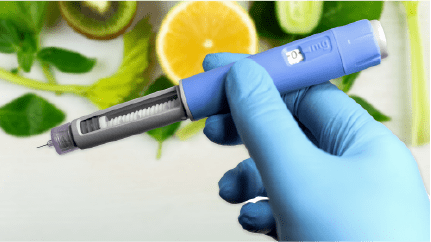
The adoption of GLP-1 therapies for weight loss and metabolic health is accelerating. These treatments are changing lives and reshaping entire markets. Food retailers, wellness brands, and subscription services are launching ranges designed to support people using these medicines: high-protein meals, portion-controlled packs, low-sugar snacks, and products aimed at gut health and fullness.
For pharmaceutical companies, this means packaging for injectables that feels discreet, reassuring, and high-quality, often with strict temperature control and smart monitoring. For nutrition brands, packaging must clearly explain benefits, portion size, and nutritional value while staying within regulations. Subscription-friendly formats, smaller pack sizes, and strong sustainability credentials win consumer trust in this fast-growing space.
5. Structural Drivers: Ageing, Chronic Disease, and Supply Chain Trust
The population of Europe and the UK is aging, with more people living with long-term conditions requiring ongoing treatment. New initiatives are accelerating the implementation of scientific innovations for diseases, and advanced therapies such as biologics and cell and gene treatments are becoming more common, bringing new handling and temperature-control challenges. Governments and health systems are also paying closer attention to where products come from and how secure supply chains really are.
Packaging must support long-term use, make life easier for older patients, and reduce medication errors. Features like easy-grip closures, larger text, and clear dosing instructions become essential. For complex treatments, packaging must provide excellent protection, clear traceability, and reliable cold-chain performance. Reusable shipping systems, anti-counterfeit features, and locally sourced materials help manage risk.
6. Market and Investment: Building for Sustainable Growth
After years of fast growth and big promises, healthcare investment is becoming more practical and disciplined. Money is flowing into areas that can scale safely and meet regulations with confidence, such as outpatient care, diagnostics, mental health, and specialist health technology. The UK government’s 10 Year Health Plan for England sets out an ambitious vision to transform the NHS through digital innovation, neighborhood-based care, and prevention — built to serve generations to come.
This puts pressure on packaging to deliver better value efficiently. Standardized formats that work across products and markets, packs that run smoothly on automated lines, and designs that reduce waste all matter. Buyers increasingly look at full cost over time, including recalls, delays, and disruptions, rather than the cheapest option on paper. Packaging that supports lean manufacturing and minimizes errors creates a real commercial advantage.
7. Sustainability as a License To Operate

Sustainability is no longer a branding exercise. The EU Packaging and Packaging Waste Regulation (PPWR), net zero commitments, retailer Scope 3 targets, and mandatory carbon reporting mean environmental performance is embedded in tender criteria and supplier qualification. Circularity, recyclability, material reduction, and transparency are commercial requirements.
This accelerates the shift towards simpler recyclable structures, lower-carbon materials, lighter packs, and reusable transport solutions. Digital tools showing where materials come from and how they can be recycled are gaining importance. A supplier’s sustainability capability now affects everything from regulatory approval to commercial partnerships.
Conclusion: Packaging As Healthcare Infrastructure
In 2026, healthcare in Europe and the UK will be shaped by digital connectivity, tighter rules, care moving closer to home, a focus on metabolic health, an ageing population, and strong sustainability goals. Across all of this, packaging plays a bigger role than ever.
It is no longer just a box or bottle. It’s a way to meet regulations, connect with digital systems, protect patients, support more circular choices, and keep supply chains running with confidence. For organizations buying packaging at scale, the opportunity is clear: treat packaging not as a cost to minimize, but as a vital part of building a safer, smarter, and more sustainable healthcare system.
References:
- ‘European Health Data Space Regulation (EHDS)’, European Commission
- Millie Sophie Stenmarck Korsgaard and Daniel Holth Larsen, (2025), ‘Why clinician and patient trust is critical for digital transformation in healthcare systems globally’, World Health Forum
- ‘Summary of Inflation Reduction Act Provisions related to renewable energy’, United States Environmental Protection Agency
- James Belcher, (2026), ‘Navigating the Future of Medical AI Regulation in the UK’, Med Tech Insights
- ‘Introducing ChatGPT Health’, (2026), ChatGPT
- ‘Transform healthcare from insight to action’, (2026), Claude
- Zoe Wood (2026) ’UK supermarkets go all out for ‘Jab-uary’ with food for those on weight-loss drugs’, Guardian
- ‘New European initiative seeks to accelerate timely Alzheimer’s disease diagnosis and treatment’ (2026), King’s College London
- ‘Fit for the future: 10 Year Health Plan for England’, (2025), gov.UK
Packaging is a tangible and highly visible product, and it’s understandable that people want to know where it comes from. But facts matter — and the facts show that the paperboard industry is not the driver of forest loss.
If anything, with responsible practices and expertise at the forefront, it’s part of the solution, keeping forests in active use, encouraging land stewardship, and maintaining critical carbon sinks.
To learn more about our “Better, Every Day” approach to sustainability, visit our sustainability area to explore our commitments in full.
Related Resources
eBook
Unwrapping PPWR Legislation: What’s Next for Healthcare Packaging?
October 22, 2025
Discover how the Packaging and Packaging Waste Regulation (PPWR) is driving change in healthcare packaging.

Article
The Crucial Role of Packaging in the Control of Counterfeit Products in the Healthcare Market
October 17, 2023
Learn more about the crucial role of packaging to combat healthcare counterfeit products and the ways you can incorporate anti-counterfeiting strategies in your packaging.

Article
Mathys AG Medical Hip and Knee Implant Packaging: Setting a New Standard in Sustainable Medical Device Packaging
November 28, 2025
The Mathys AG medical hip and knee implant packaging sets a new standard in sustainable medical device packaging.