The eCommerce Packaging Playbook: Protect, Right‑Size, Delight
The eCommerce Packaging Playbook: Protect, Right‑Size, Delight
eCommerce is reshaping packaging faster than almost any other part of the supply chain. Category mix changes quickly (from shelf-stable food to health, beauty, pet care, and bulky club packs), fulfillment models keep diversifying (direct-to-consumer, marketplace, ship-from-store, and rapid delivery), and the “last mile” remains unpredictable. As a result, packaging must be adaptable: engineered for distribution performance, optimized for cost and cube, and designed to deliver a brand experience at the doorstep — not on the retail shelf.1
That shift is why packaging decisions that used to be “good enough” for retail now need to be reconsidered for eCommerce. The goal is no longer simply a box that arrives — it’s a system that protects product quality, minimizes damage and returns, uses materials efficiently, and reinforces the brand in a world where reviews and repeat purchases are won (or lost) after delivery.2
What eCommerce Packaging Must Do (and Why It’s Different)
1) Protect the product through a tougher distribution journey
In eCommerce, packaging experiences more touchpoints (picking, sortation, parcel handling, doorstep delivery) and more variability in drop height, vibration, compression, and climate exposure than many retail distribution paths. When products don’t arrive intact, nothing else matters — cost, sustainability, and branding benefits disappear behind refunds and negative reviews.

- 3–4% of all U.S. eCommerce shipments arrive damaged, contributing to billions in annual losses3
- 51% of consumers are unlikely to repurchase after receiving a damaged product, regardless of brand strength3
- Damage‑related returns account for ~20% of all eCommerce returns, most of which are preventable with better packaging design3
Because of this, eCommerce packaging is best treated as a risk-management tool: it reduces damage, protects margin, and helps preserve consumer trust.

2) Deliver the brand experience at the doorstep
In physical retail, packaging helps win the purchase at the shelf. In eCommerce, packaging helps win what comes after: satisfaction, reviews, recommendations, and repeat orders. The “shelf” is now the front porch, the camera lens, and the social feed.
- Packaging is often the first physical brand touchpoint
- Nearly 60% of consumers say the unboxing experience is important or very important4
- The “shelf” is now the front porch, camera lens, and social feed
- Younger shoppers — especially Gen Z — value aesthetics and recyclability together, not decoration alone5
In other words, visual impact happens after the sale — but it still drives commercial outcomes. Easy opening, clear brand communication, and responsible material choices all influence whether customers come back.
3) Perform in fast-growing categories like online grocery
Online grocery highlights the packaging challenge clearly. Shoppers aren’t standing in an aisle comparing packs — they’re tapping “reorder.” That makes delivery condition (no scuffs, dents, leaks, or crushed corners) a direct driver of repeat purchase, especially for pantry staples and household essentials.
As grocery and other replenishment categories migrate online, packaging must protect through dense picking, mixed-basket delivery, and frequent handling — often with less control over how items are packed together. The result is a higher bar for cleanliness, compression strength, and consumer-friendly handling features.

- 52% of U.S. adults bought groceries online in 20246
- 61% of U.S. households purchased groceries online at least once in 20257
- Nearly 20% shop online monthly, indicating habitual use8
In replenishment categories, packaging performance compounds over time. A pack that consistently arrives intact and easy to handle reduces complaints and replacements and quietly reinforces a “this brand is reliable” impression — making repeat ordering more likely. However, it’s just as important that the pack is functional, effective and convenient to use once in the consumer’s home.
4) Right-size for cost, cube, and sustainability (dimensional weight matters)
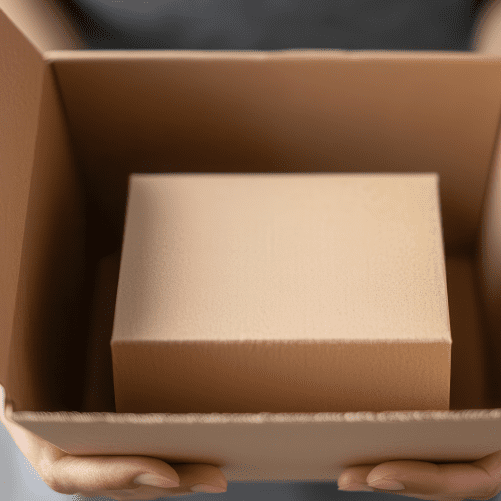
In parcel distribution, cost is driven not only by weight but by the space a pack occupies. Carriers frequently price shipments using dimensional weight, so shipping “air” (as shown in the image) is expensive. Right-sizing reduces transportation cost and emissions, while also improving protection by reducing internal movement and the need for excess void fill.
Practically, right-sizing means matching pack dimensions to product dimensions (and protective needs), minimizing headspace, and selecting materials and paperboard grades based on measured hazards — not assumptions. Many brands also rationalize their packaging portfolios (fewer box sizes, better fit) to improve fulfillment speed and reduce damage driven by poor pack-out choices.
5) Support returns and “frustration-free” handling
Returns are a normal part of eCommerce, so packaging increasingly needs to be easy to open without damage, intuitive to dispose of, and — where appropriate — capable of being reclosed or resealed for return shipment. Many retailer programs reinforce these expectations through packaging guidance and test protocols designed to reduce damage, waste, and consumer frustration (e.g., Amazon’s Ships in Product Packaging/SIPP and ISTA 6-Amazon.com testing).9, 10

Why Paperboard Is a Great Solution for eCommerce
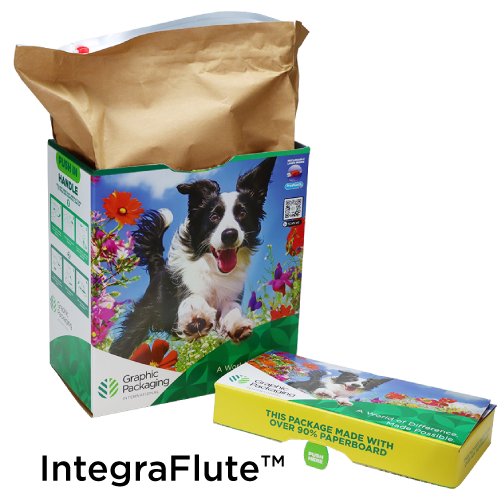
Paperboard is often associated with retail cartons, but in eCommerce, it can be engineered into high-performance packs that combine protection, efficiency, and brand presentation. When designed for the distribution environment, paperboard solutions can reduce material use, eliminate unnecessary overboxing, deliver a great brand experience through print, and still meet the durability requirements needed to ship direct to consumers.
In many use cases — especially “ship in own container/ship in product packaging” models — paperboard can substitute for corrugated by delivering the needed compression strength and protection in a more precisely engineered, often better-presented format. The opportunity is strongest when packaging is right-sized and when structural features (e.g., reinforced panels, locking styles, integrated handles, or internal retention) are designed into the paperboard pack rather than added as extra materials.
- Strength where it’s needed (engineered performance) — with caliper selection, smart structural design, and targeted reinforcement, paperboard packs can achieve high compression performance suitable for demanding distribution paths. Examples include reinforced paperboard designs and laminated heavy-duty cartons engineered for strength packaging applications.
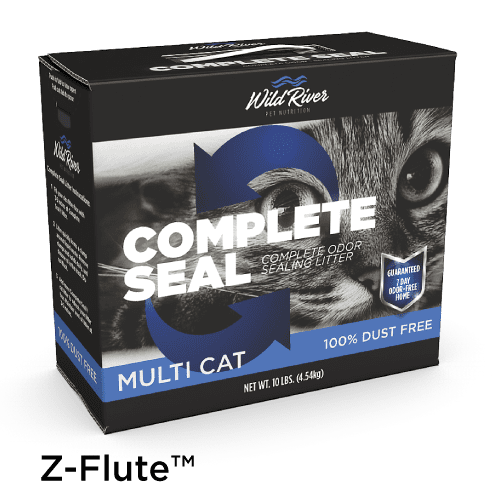
- Graphic Packaging’s Z-Flute™ is a solid fiber design that incorporates strategic reinforcement through lamination where compression strength is needed, delivering a heavyweight folding carton with the strength of a corrugated box.
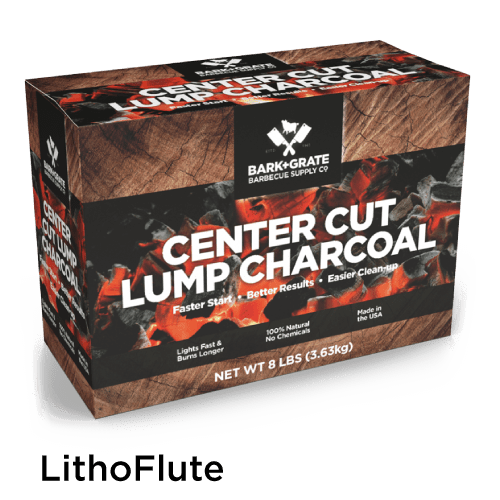
- Our LithoFlute litho-laminated corrugated premium packaging provides the strength and durability of a corrugated box with the strong visual appeal of a folding carton.
- Damage reduction through fit and stability — right-sized packs limit product movement, improve stackability, and can reduce the need for void fill, which helps prevent damage and avoidable returns.
- Formats such as IntegraFlute™, a bag-in-box solution for liquids and dry materials, can pair product protection with efficient cube and handling.
- High-quality graphics and brand clarity — paperboard offers an excellent print surface for branding, instructions, and sustainability messaging, improving recognition at unboxing and reducing consumer confusion.
- Consumer-friendly enhancements – such as easy-open features, tear strips, and integrated handles can be incorporated into paperboard designs.
- Recyclable, renewable fiber-based material — paperboard aligns with consumer preferences for paper-based packaging and can support circularity goals when designed for recovery in common paper recycling streams.11
Critically, paperboard doesn’t force a tradeoff between protection, presentation, and sustainability. The best results come when the pack is engineered to the actual distribution hazards and right-sized to reduce material and shipped air — rather than over-specifying strength “just in case.”
Where Paperboard Can Substitute (and When Other Shipping Materials Still Make Sense)
Corrugated is a proven workhorse for shipping, especially for fragile products, heavy loads, long distribution cycles, or when significant void space must be managed with internal dunnage. But corrugated is not the only option. Paperboard can often replace corrugated when the goal is to ship in the product’s own packaging, reduce total material use, and improve the consumer experience — provided the pack is designed and validated for the specific supply chain.
- Ship in Own Container / Ship in Product Packaging (SIOC/SIPP) applications: when the primary pack must survive parcel distribution and arrive consumer-ready without an additional shipper.
- Club, mass, and eCommerce “strength packaging”: large-format packs where stacking and compression strength are critical, and where engineered paperboard (including laminated/reinforced structures) can deliver required performance with improved billboarding.
- Right-sized secondary packaging elimination: replacing a retail carton + corrugated shipper combination with a single engineered paperboard solution to reduce materials and handling steps.
- Bundles and multipacks: paperboard can create stable, protective groupings (with handles and easy-open features) that ship efficiently and display well upon arrival.
- Returns-friendly designs: formats that integrate reclosure or reseal features to support reverse logistics and reduce damage in return transit.
Design and validation matter. Substitution should be approached as an engineering exercise: define hazards (drop, vibration, compression, climate), set performance criteria (acceptable product/package damage), and validate with appropriate testing. For many eCommerce programs, that may include test sequences aligned to widely used protocols such as ISTA 6-Amazon.com for ship-in-own-container style distribution.6
Right-Sizing, Material Reduction, and “Less Is More” Engineering
Across eCommerce, one of the biggest opportunities is reducing over-specification — using more material (and more shipped air) than the distribution environment truly requires. A “less is more” approach aims to remove superfluous layers, right-size around the product, and engineer strength into the pack only where it is load-bearing. That can unlock cost savings across the supply chain while reducing environmental impact.
Because parcel pricing frequently reflects dimensional weight, compact packaging is often more important than simply reducing grams. A large package can cost more to ship than a smaller one of similar weight. Right-sizing improves trailer and parcel cube utilization, lowers shipping cost, and can reduce damage by minimizing internal movement.
For brands moving quickly, the practical target is fit-for-purpose packaging that balances protection, efficiency, and consumer experience. Paperboard’s convertibility — combined with structural features and targeted reinforcement — can make it easier to prototype, iterate, and scale right-sized designs without defaulting to a larger corrugated shipper.
Ready to Improve Your eCommerce Pack Performance?
If you’re looking to reduce damage and returns, right-size to cut cost and shipped air, or design a paperboard solution that delivers a better unboxing experience, we’d love to help. Get in touch to discuss your products, distribution realities, and performance goals — and we’ll work with you to identify practical packaging improvements you can validate and scale.
References:
- McKinsey & Company: Packaging: The underrated performance and value driver (on packaging’s role in performance and value creation).
- TechCrunch (Sarah Perez): COVID-19 pandemic accelerated shift to e-commerce by 5 years, new report says (Aug. 24, 2020)
- Packaging World Insights: The unboxing experience an e-commerce brand’s moment of truthv.
- McKinsey & Company: Sustainability in packaging 2025: Inside the minds of global consumers.
- CapitalOne Shopping: Online grocery shopping statistics.
- E-commerce North America: Grocery ecommerce penetration July 2025.
- Amazon: Ships in Product Packaging (SIPP) Certification Guidelines (updated April 2024).
- ISTA: Amazon Testing FAQ’s Knowledge Base (ISTA 6-Amazon.com-SIOC).
- Two Sides North America: Paper-Based Packaging Is Preferred By Consumers.
Related Resources

Article
Smarter Lines, Faster Growth: The New Era of Beverage Packaging Machinery
April 27, 2026
Smarter, flexible multipacking lines are helping beverage producers boost OEE despite labour volatility, more SKUs, and ageing equipment. Learn how next‑gen automation can cut downtime and deliver consistent pack quality.
Case Study
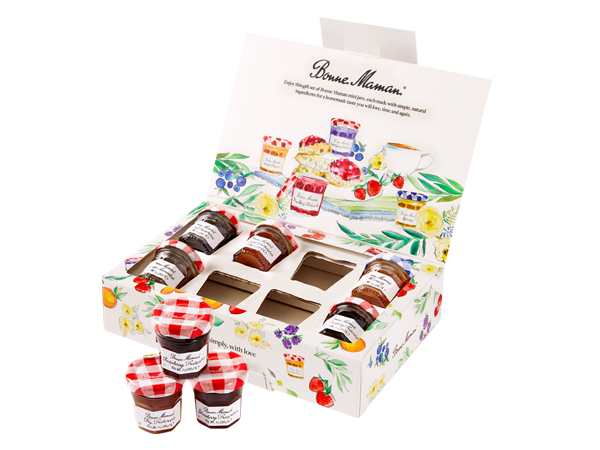
Bonne Maman’s Gift Box Carton Elevates The Consumer’s Experience
June 26, 2023
Bonne Maman asked us to create a premium, sustainable carton for their latest online-only product, the ‘Made For You’ gift box.
Article
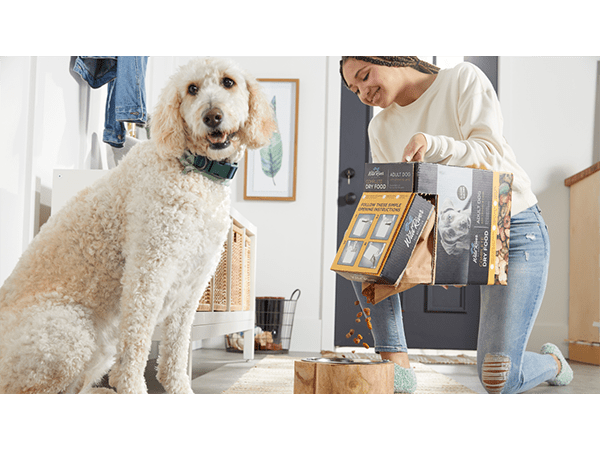
Performance, Versatility, Impact: How Paperboard Strength Packaging Solutions Can Win Over Plastic Alternatives
April 28, 2023
Discover how paperboard packaging delivers strength, versatility, and shelf appeal, making it a suitable alternative to plastic.