CULTURE WAVE
The Everyday Appliance (and the Packaging Behind It) That Quietly Reshaped Modern Life
April 21, 2026
01
Early on, the microwave oven felt more like a science‑fiction experiment than a kitchen essential.
Yet over time, it reshaped how people eat, sped up daily routines and catalyzed an entire ecosystem of packaged foods — many made possible by advances in microwave packaging like susceptor technology.
02
A New Way to Cook Takes Shape
The microwave oven traces back to World War II radar research and accidental discoveries that microwave radiation could heat food rapidly. Scattered experiments led to key patents in 1946, according to IEEE Spectrum, and the creation of the first commercial microwave unit from Raytheon called Radarange. It wasn’t until 1967, however, that Raytheon released the first countertop microwave oven: the Amana Radarange, a more compact and affordable option.
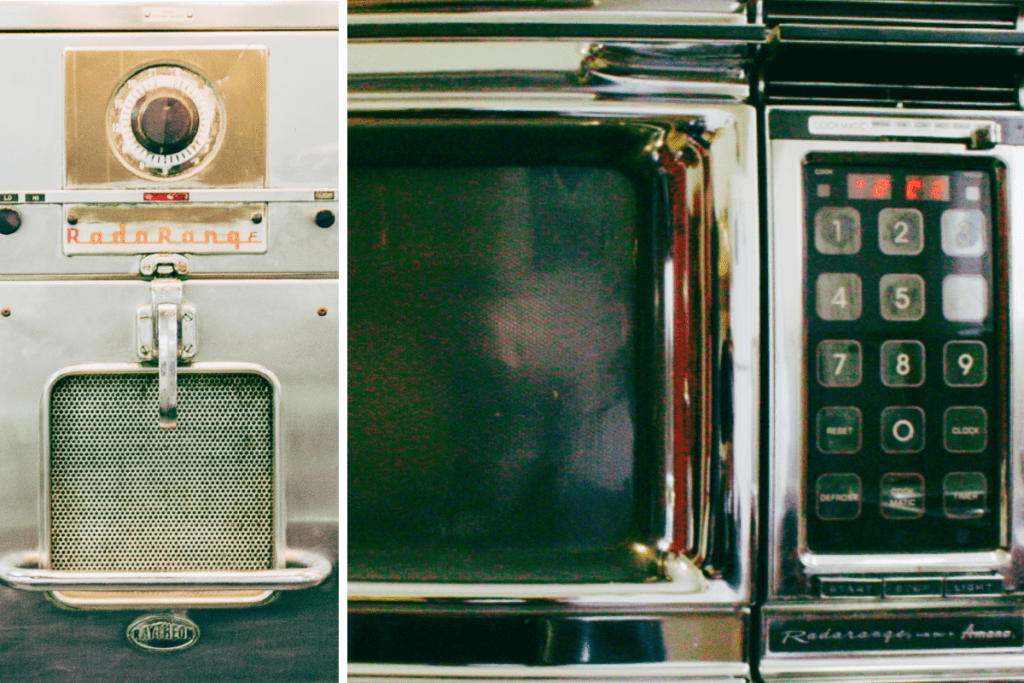
Left: The Radarange from Raytheon is the first microwave oven on the market in 1947. Right: The Amana Radarange model was the brand’s first home microwave oven, released in 1967.
Credit: Acroterion, CC BY-SA 4.0, and jmv, CC BY-SA 2.0, via Wikimedia Commons
“Very early on, people realized that this was a technology that could cook food really fast, but it took a long time to get from development into the household,” said Allison Marsh, associate professor at the University of South Carolina and a contributing editor to IEEE Spectrum.
Microwave ovens from Raytheon, Tappan and Sharp found their consumer breakthrough in the 1960s and 1970s. As the size compressed and the costs dropped, adoption skyrocketed, and by the end of the decade the microwave oven had cemented itself as a defining feature of the modern home kitchen. As the pace of work and home life intensified, the microwave emerged as a symbol of efficiency and a cultural marker of a hurried but convenience‑driven lifestyle.
“There was an evolution of food intentionally designed for the microwave oven. It was clear this trend was here to stay.”
— Carlos Carillo, Vice President, Global Innovation, Graphic Packaging International
Beyond households, microwave ovens became staples of office breakrooms, rewriting work‑lunch routines and quietly enforcing new rules of microwave etiquette. They fueled on‑the‑go eating by turning convenience stores, dorms and hotel rooms into makeshift kitchens, aligning with the rise of fast food, vending machines and packaged snacks. More than an appliance, they normalized faster, more individual eating untethered from the traditional kitchen.
Trivia: Microwave Culture
Microwave ovens changed how we cook and how we speak. New uses for words like “zap” and “nuke” reflected the magic of instant microwave cooking, while “reheat” and “defrost” took on new meanings as single-step verbs.
1. Who famously said this? “The washing machine’s still broken, so I thought I’d use the microwave. Nuke them up, you know.”
Click to Reveal the Answer
John Candy as Uncle Buck in “Uncle Buck” (1989)
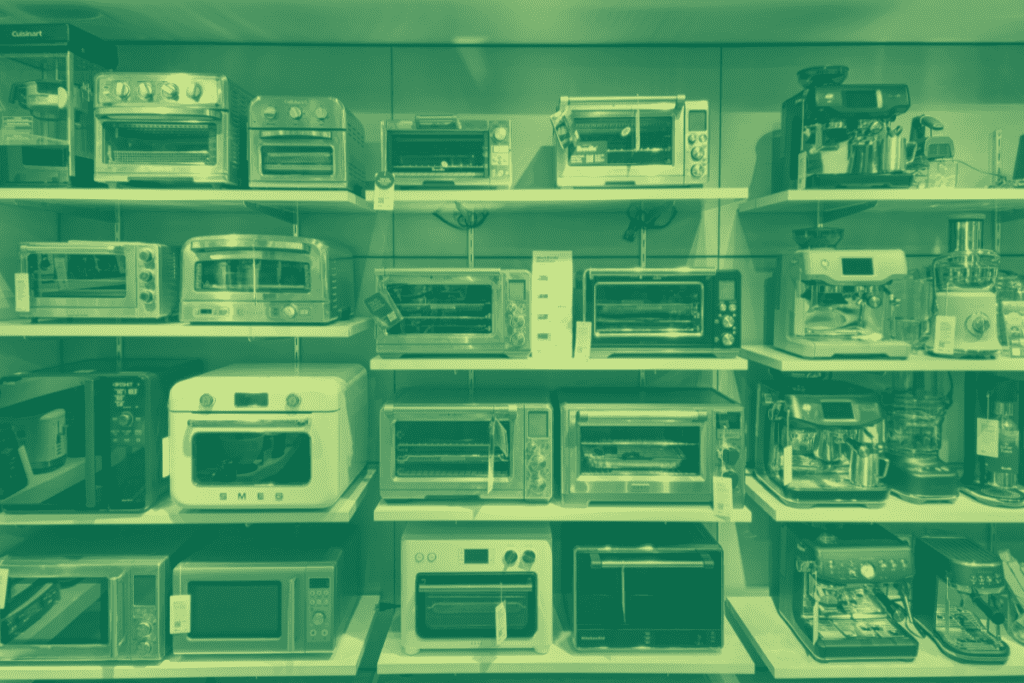
By the 1980s, microwave ovens triggered new categories of microwave-ready meals and frozen foods. From dinners to breakfasts and snacks, microwaveable foods reshaped how people ate at home and on the go.
2. Who famously said this? “Bless this highly nutritious microwaveable macaroni and cheese dinner … and the people who sold it on sale.”
Click to Reveal the Answer
Macaulay Culkin as Kevin McCallister in “Home Alone” (1990)
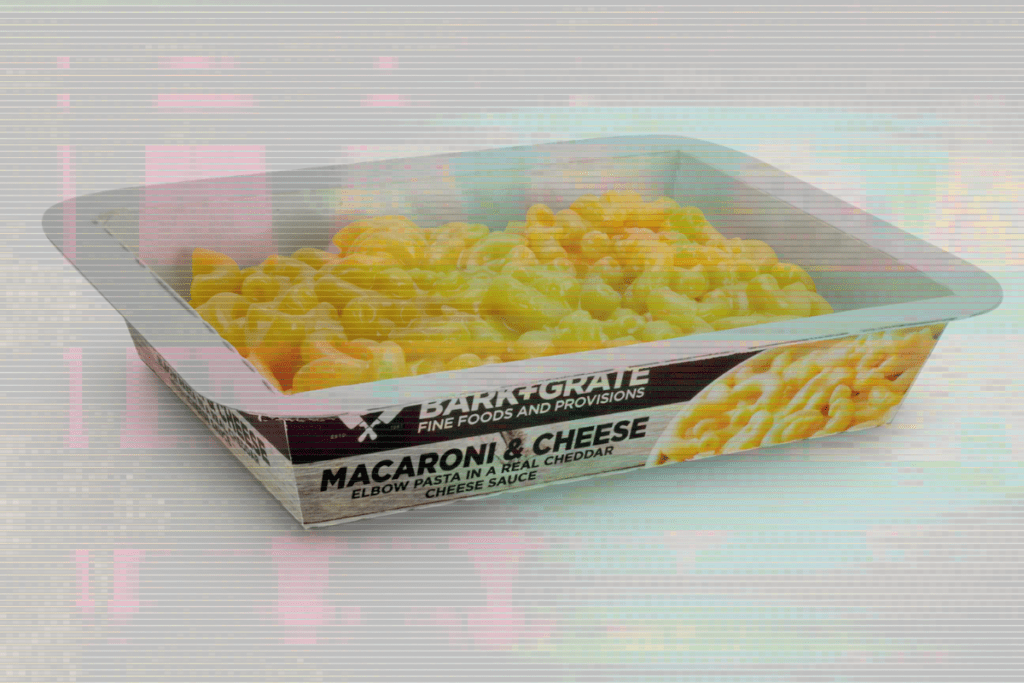
From the mid 1980s to 1990s, the number of U.S. households with microwave ovens jumped by 260%. As microwaves shifted from novelty to necessity, convenience itself became a punchline in pop culture.
3. Who famously said this? “Why go to a restaurant when you can just throw something in the microwave?”
Click to Reveal the Answer
Michael Richards as Cosmo Kramer in Seinfeld (1995)
03
How Push‑Button Cooking Changed the Household
Microwave cooking democratized the act of making meals in an era when domestic roles were rapidly changing. Cooking no longer required culinary skill or time, just the confidence to push buttons.
That accessibility broadened who cooked: men, teenagers and especially kids, who could heat their own after‑school snacks and experiment with food independently. And suddenly, women managing busy households had more creative options to adapt and invent meals within tight time constraints.
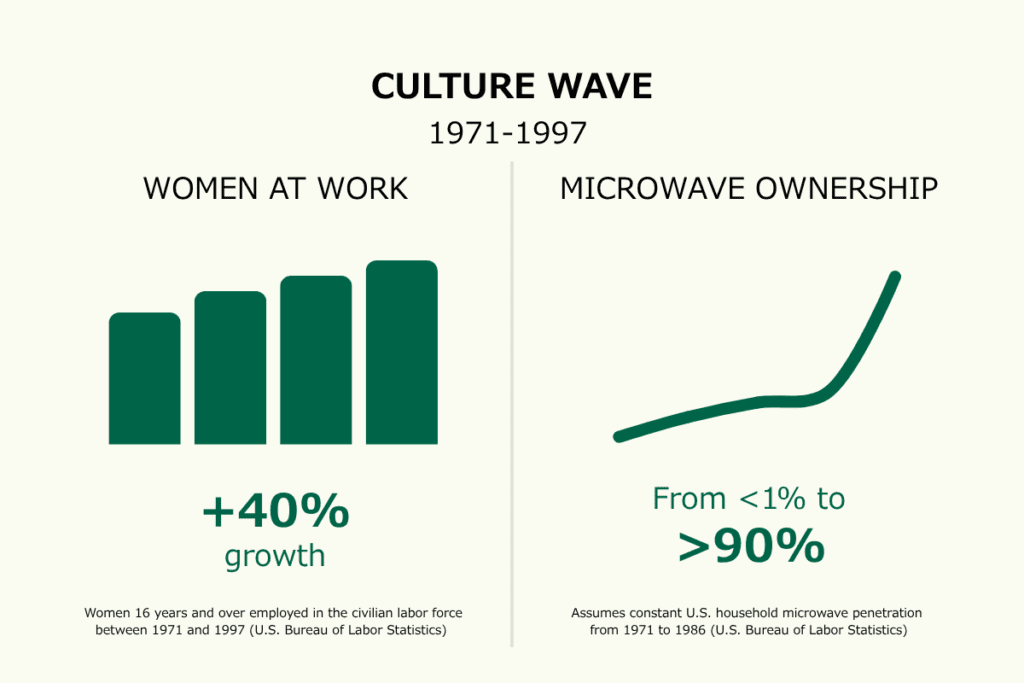
Microwave adoption surged alongside several parallel cultural shifts, including rising participation of women in the workforce. From 1971 to 1997 in the U.S., the number of women at work* grew by more than 40%. During that same time in the U.S., microwave oven ownership** rapidly rose from less than 1% to over 90%.
*Women 16 years and over employed in the U.S. civilian labor force (U.S. Bureau of Labor Statistics)
**Assumes constant household microwave penetration in the U.S. market (U.S. Bureau of Labor Statistics)
In dual‑income households, the microwave became both a practical tool and a cultural enabler, reducing prep time for family meals, redistributing responsibility and redefining independence at home.
“The microwave slides right into all these different cultural trends, and it changed expectations around cooking,” Marsh said.
04
Packaging That Made Microwaves Practical
“From the earliest days of the microwave oven, we have helped define what’s possible inside it. Graphic Packaging leads the U.S. market in active microwave packaging, engineering solutions that harness microwave energy to improve cooking performance, quality and convenience in everyday life.”
— Carlos Carillo, Vice President, Global Innovation, Graphic Packaging International
“Packaging and the microwave go hand in hand,” said Marsh. “People didn’t trust the microwave at first. Packaging helped explain what was microwave‑safe and how it worked. It showed people that this food was sealed properly, safe to eat and part of a complete meal. It also stepped in where the microwave fell short, trying to deal with things like browning or texture.”
Consumers expected not only speed but also higher quality, sparking innovations aimed at solving the microwave’s early shortcomings: uneven heating, soggy textures and a lack of browning. While microwave ovens provided the technology, it was packaging innovation that enabled their mainstream culinary success.
“There was a clear opportunity to improve the consumer experience of packaging for microwaves,” Carrillo said. “Microwaves introduced conditions very different from traditional ovens, which meant packaging materials had to evolve to perform reliably and safely.
“Any time packaging actively interacts with microwave energy, safety is paramount. That’s why our R&D teams rigorously test and evaluate our advanced microwave packaging, and we work closely with customers to ensure materials behave exactly as intended in the microwave. With susceptor technologies, the focus is on precision and effectiveness, ensuring consistent results while meeting established safety standards.”
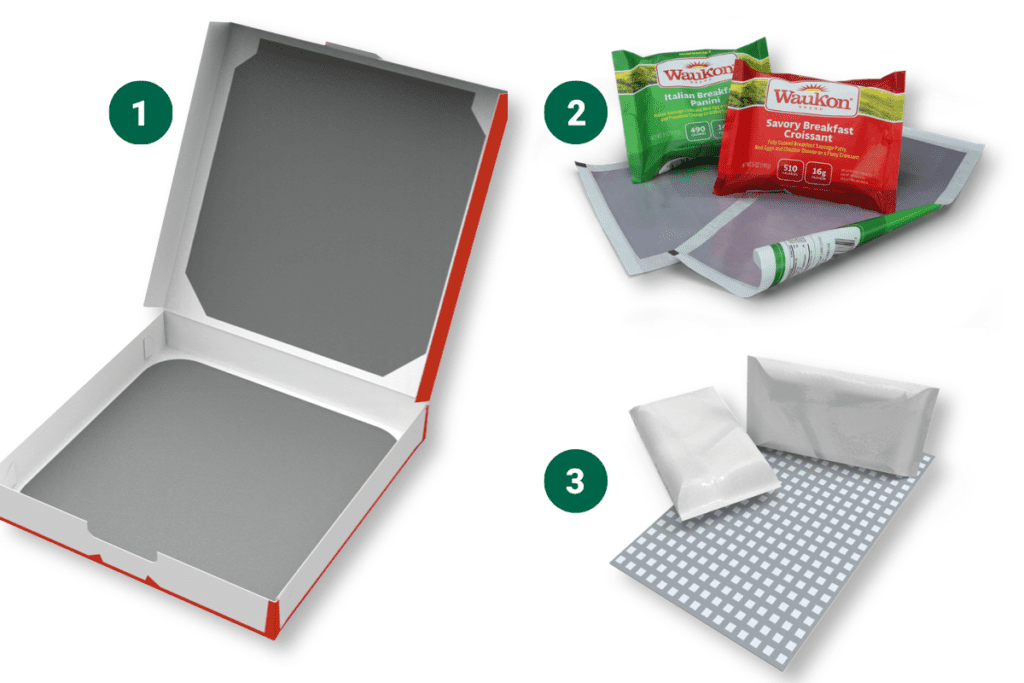
Since the beginning of microwave disruption, Graphic Packaging has quickly adapted to meet customer expectations for microwave packaging that is more circular, more functional and more convenient than existing alternatives. Left to right, top to bottom:
- Qwik Crisp™ susceptor for bread and dough-based foods in cartons, sleeves, discs and trays;
- MicroFlex-Q™ flexible packaging film with susceptor technology for grab-and-go foods;
- Flexible, lightweight, printed susceptors for high-quality browning and crisping.
How Susceptors Work — and Why They Mattered
Susceptors, thin metallized films laminated onto paperboard or polymer layers, fundamentally changed what microwaves could achieve. These materials absorb microwave energy and convert it into intense localized heat, enabling browning and crisping — capabilities traditional microwaves inherently lack.
“Susceptor technology was a game changer for microwave food,” said Carrillo. “What’s interesting about susceptor technology is it’s inherently self‑limiting. As the film absorbs microwave energy and heats up, the metallized layer begins to ‘craze,’ which reduces energy absorption. That natural cutoff helps ensure the material doesn’t continue to heat indefinitely, supporting both performance and safety.”
Over time, packaging manufacturers developed more precise and powerful susceptor packaging that could focus energy, redistribute heating patterns and mimic conventional oven effects.
“Early applications of susceptor technology were a stiff sleeve that covers the food, but it was not designed to hit specific points that you want to heat, crisp or brown,” said Carrillo. “Then QuiltWave™ arrived. This technology uses flexible susceptor film to adapt to the irregular shape that the food may have, providing even cooking on the outside.”
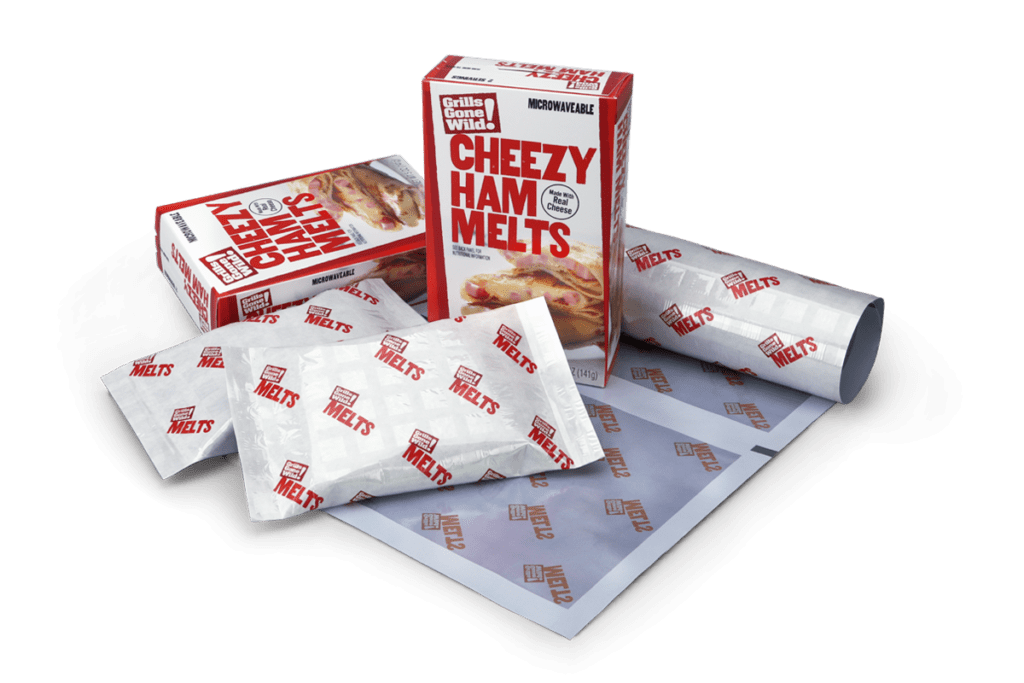
QuiltWave (U.S. patent 8,828,510) brings crunch where microwaves usually can’t. This flexible, printed susceptor film “puffs” on contact with microwave energy, hugging even the most irregular foods to push out moisture and deliver serious browning and crisping. As a patch or sealable film, it’s made for snacks, sandwiches and grab‑and‑go favorites that demand texture, fast.
“As our microwave packaging capabilities evolved, we began developing unique MicroRite™ patterns tailored to specific foods to achieve more even, oven‑like heating,” said Carillo. “In some applications, those patterns are combined with susceptor technology to deliver both uniform heating and enhanced browning and crisping, bringing true oven‑quality results in less time. We continue to invest in this work through our dedicated lab, where scientists and engineers are advancing smarter, safer packaging across trays, bowls and other formats.”
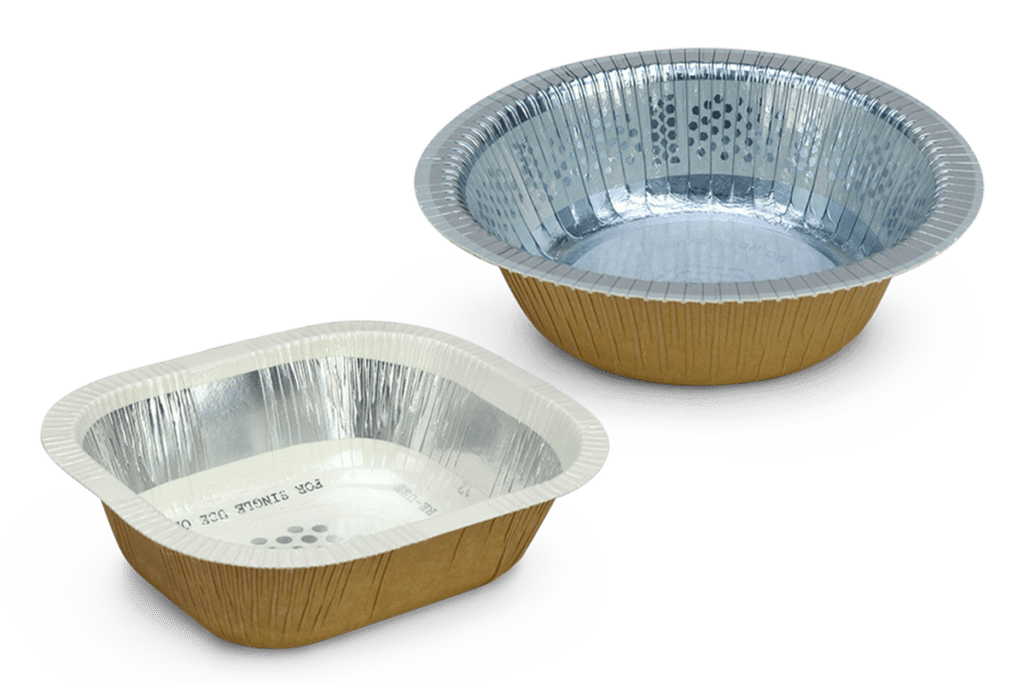
Meet MicroRite (U.S. patent 6,552,315): microwaveable pressed trays and bowls that work smarter (and faster). Its special patterned metallization design keeps meals juicy in the middle, crisp at the edges, and ready in up to half the time — making frozen favorites like pot pies, lasagna and pizza taste freshly made, straight from the microwave.
05
A Cultural and Technological Disruptor
The microwave oven’s global impact reaches far beyond kitchens. It helped normalize “heat‑and‑eat” culture; enabled the rise of single‑serve meals; and influenced work schedules, household routines and even social norms around cooking.
Yet its success was not the appliance alone. Without the parallel breakthroughs in microwaveable packaging — particularly the rise of susceptor technology — the microwave oven might have remained a reheating tool rather than a catalyst for a global culinary shift.
“When we think about what is next for the microwave, the packaging and the food for microwave applications will continue to evolve with the needs of the consumer,” said Carrillo. “There are still opportunities for us to continue to improve microwaveable packaging to make it easier for everyday life.”
FOLLOW THE WAVE
Culture Wave is a special series exploring the cultural forces shaping packaging in everyday life. Follow the wave: subscribe to The Die Cut newsletter on LinkedIn.
More to Explore
News
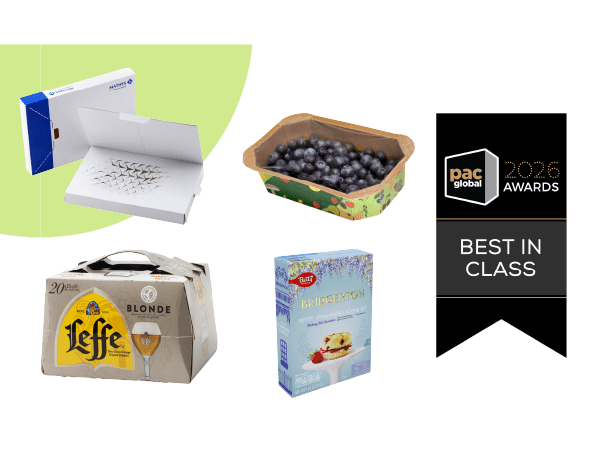
8 PAC Global Awards, One Commitment to Better Packaging
February 24, 2026
Graphic Packaging earns eight PAC Global awards, recognizing sustainable packaging innovation, technical excellence and standout brand design for global brands.
Press Releases
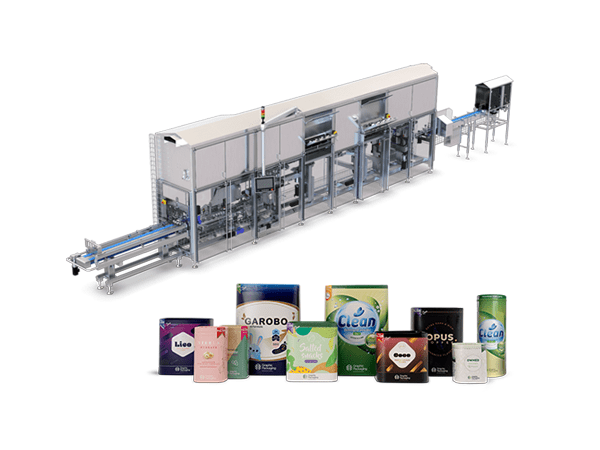
Graphic Packaging Launches Next-Generation Boardio™ Technology with Enhanced Multi-Footprint Capability
December 3, 2025
Graphic Packaging unveils next-gen Boardio™ machine with multi-footprint capability, enabling brands and co-packers to scale sustainable paperboard packaging.
Press Releases
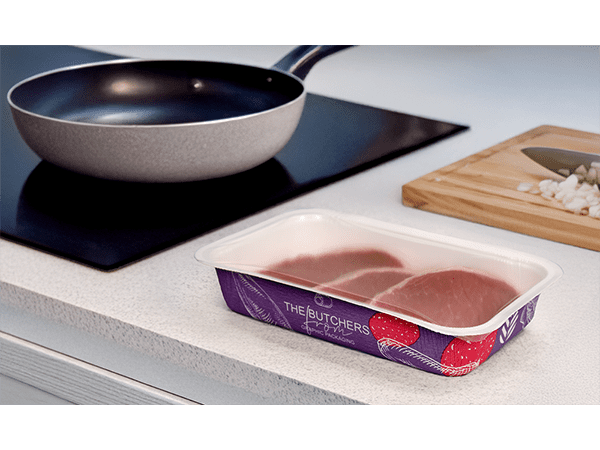
Graphic Packaging Adds PaperSeal® Pressed MAP Tray to Award-Winning Food Packaging Portfolio
August 20, 2025
Graphic Packaging adds PaperSeal® Pressed MAP tray to its award-winning food packaging portfolio.