News
PACK EXPO 2026 Insights: 3 Trends Packaging Leaders Are Talking About Now
October 23, 2026
From EPR and shelf differentiation to beverage-line flexibility, these were some of the most important packaging conversations shaping PACK EXPO 2026, where Graphic Packaging solutions earned three AmeriStar Awards, including the People’s Choice Award.
Some of the industry’s most important conversations happen at PACK EXPO International.
PACK EXPO, one of North America’s largest packaging and processing events, brings together industry leaders from across consumer goods markets to explore the technologies, trends and priorities shaping packaging decisions today. This year, three themes surfaced repeatedly in conversations across the show floor: EPR, brand differentiation and manufacturing flexibility.
📍 PACK EXPO NEWS
ABOVE: Packaging Digest reported on Graphic Packaging’s AmeriStar People’s Choice Award win for EnviroClip™ Beam for Harry Brompton’s Peach Iced Tea. The recognition capped a strong showing at the event, where Graphic Packaging solutions earned three 2026 AmeriStar Awards, including wins in the Beverage, Non-Alcoholic and Food, Shelf Stable categories.
Trend 1
EPR Moves From Policy Discussion to Business Planning
Extended producer responsibility (EPR) programs require producers to take a greater role in funding and managing the systems that collect, sort and recycle packaging after use. While EPR programs are established in many markets, requirements continue to evolve as new legislation and implementation efforts advance around the world.
EPR was top of mind at PACK EXPO as brands sought to better understand how evolving requirements may affect packaging decisions. As packaging regulations evolve, companies are taking a closer look at how packaging performs not only on the shelf and through the supply chain, but also within recovery and recycling systems.
Material choice is increasingly part of that conversation.
INDUSTRY PERSPECTIVE
“Paperboard brings together versatility, performance, and the unique advantage of a renewable resource. As brands evaluate sustainability, recyclability, total cost of ownership, and evolving EPR requirements, these advantages become increasingly important.”
Why EPR Is Getting Attention
- Reporting and compliance requirements are increasing.
- Packaging data is becoming more important, including material specifications, weights and components.
- Packaging design and material choices may influence producer obligations and fee structures.
- Companies selling into multiple markets often face different requirements by geography.
- Packaging decisions increasingly require balancing product protection, operational efficiency, material use, consumer expectations and regulatory requirements.
FROM THE SHOW FLOOR
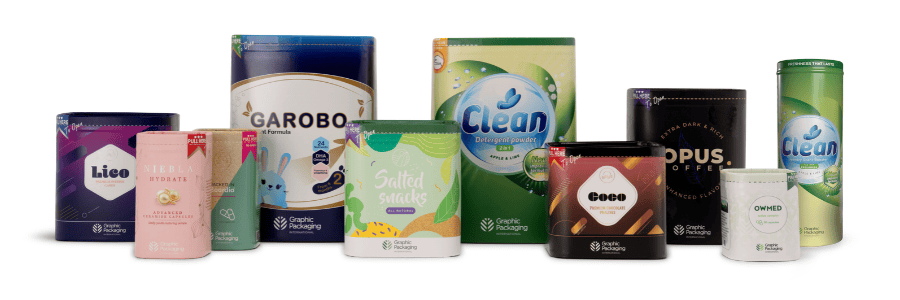
Boardio™ Paperboard Canister
A common question in EPR discussions is whether alternative packaging formats can meet the same performance and consumer expectations as the formats they may replace. One example featured at PACK EXPO was Boardio™, a rigid paperboard canister for certain applications traditionally served by plastic tubs, glass jars and metal containers. Boardio offers performance and consumer convenience equivalent to the formats it replaces, while potentially delivering product cost savings and lower EPR fees, depending on the packaging specification and market.
Trend 2
Brands Continue Investing in Shelf Differentiation
Brand differentiation held strong as another recurring theme. As consumers weigh purchases more carefully and competition continues to intensify across categories, packaging remains one of the most visible ways for brands to communicate quality, value and brand identity.
For many brands, standing out is no longer just about attracting attention. It’s about helping consumers quickly understand why a product is worth choosing. According to Mintel research, approximately six-in-10 U.S. consumers say attractive packaging can make them more likely to choose a food product, and nearly two-thirds say distinctive packaging makes beverage products more appealing.
To create a more distinctive shelf presence, many brands continue to invest in:
- Innovative structural design
- Impactful graphic design
- Premium print effects
Increasingly, brands are looking to achieve these effects while also considering recyclability, EPR readiness and other sustainability objectives, reflecting a broader shift toward packaging solutions that balance multiple business priorities.
📍 PACK EXPO NEWS
ABOVE: Graphic Packaging Global Marketing Director Adriana Dale talks to Packaging Insights about premiumization trends at PACK EXPO.
FROM THE SHOW FLOOR
Keurig Coffee Collective
Designed to feel more like a premium rigid box than a traditional folding carton, the award-winning Keurig Coffee Collective carton combines a two-piece lid-and-base structure with gold foil, spot gloss and bold color panels to create a distinctive shelf presence and a more intentional opening experience. The design earned both a PPC Judges Award and an AmeriStar Award, reflecting the continued importance of structure, print and finishing in brand differentiation.

Trend 3
Flexibility Remains a Driving Force in Beverage Packaging
Machinery occupied a significant portion of the PACK EXPO show floor, offering a clear view into the operational challenges beverage producers are working to solve. Across conversations with customers and industry stakeholders, one theme surfaced repeatedly: the need to manage more formats, more pack configurations and more frequent changeovers without sacrificing productivity.
Beverage producers continue to expand their product portfolios with new flavors, package sizes, multipack formats and channel-specific offerings. As a result, production lines are expected to handle greater variety while maintaining efficiency and uptime.
For many operations, the conversation is no longer centered solely on maximum line speed. A machine’s top speed matters, but productivity also depends on how efficiently a line can transition between formats, support operators and return to production. Flexibility, ease of changeover and uptime remain important considerations as producers evaluate equipment investments.
Operational Priorities on the Show Floor
- Automation and operator support
- Efficient changeovers
- Production flexibility across formats
- Line efficiency and uptime
- Equipment designed to support future packaging needs
FROM THE SHOW FLOOR
QuikFlex™ and AutoClip™ Machinery
Graphic Packaging showcased multiple machinery solutions designed to serve different production environments, from craft beverage operations and co-packers to high-volume manufacturers. Featured solutions included the QuikFlex™ 40 multipack system, the high-speed QuikFlex™ 2100G4 and the AutoClip™ EBB1200 multipack clip applicator. Together, they illustrate the industry’s growing focus on equipment that can accommodate changing formats, streamline changeovers and support efficient production across a range of operational requirements.
The Common Thread
The conversations at PACK EXPO underscore a common reality: packaging decisions rarely exist in isolation. Regulatory developments, competitive pressures and operational requirements are increasingly interconnected, requiring companies to balance multiple business priorities at once.
Follow Graphic Packaging on LinkedIn for additional insights from PACK EXPO and other industry events.
Related News & Events
News
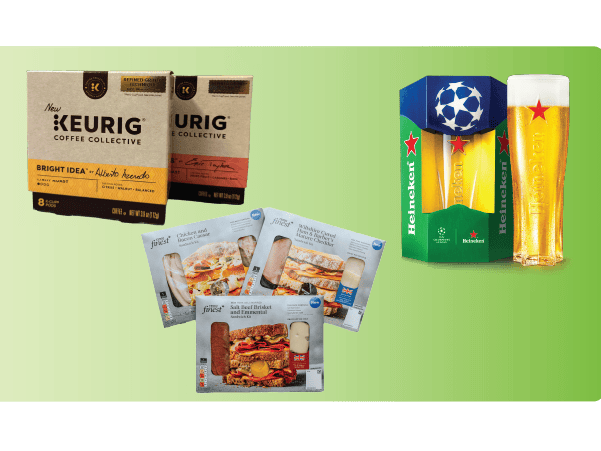
Graphic Packaging International Celebrates Triple Success at the 2026 PPC Awards
October 2, 2026
Graphic Packaging celebrates three 2026 PPC Awards for innovative paperboard packaging, including wins for Keurig, Heineken and Tesco Finest designs.
News
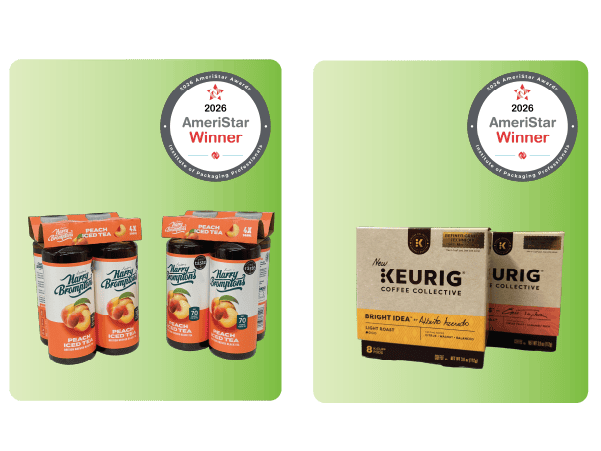
Paperboard Innovation Shines with Triple AmeriStar Awards Success
August 12, 2026
Graphic Packaging celebrates two 2026 AmeriStar Awards wins for paperboard packaging innovations that combine smart design, circularity and standout consumer appeal.
News
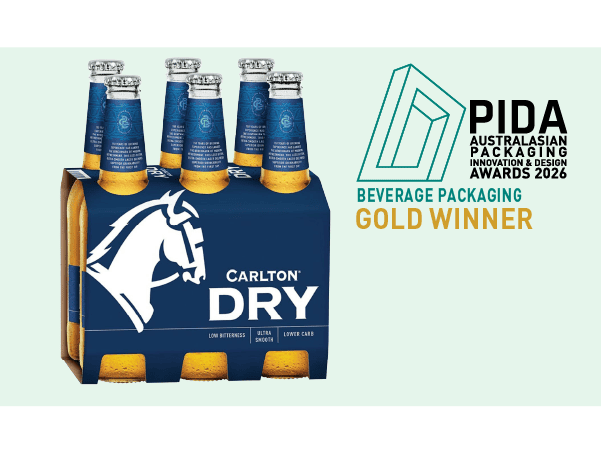
Graphic Packaging and Asahi Beverages Win Gold at the 2026 Australasian PIDA Awards
August 4, 2026
Graphic Packaging and Asahi Beverages win Gold in Beverage Packaging Design at the 2026 Australasian PIDA Awards for a recyclable paperboard wrap that replaces plastic shrink film for Carlton Dry.