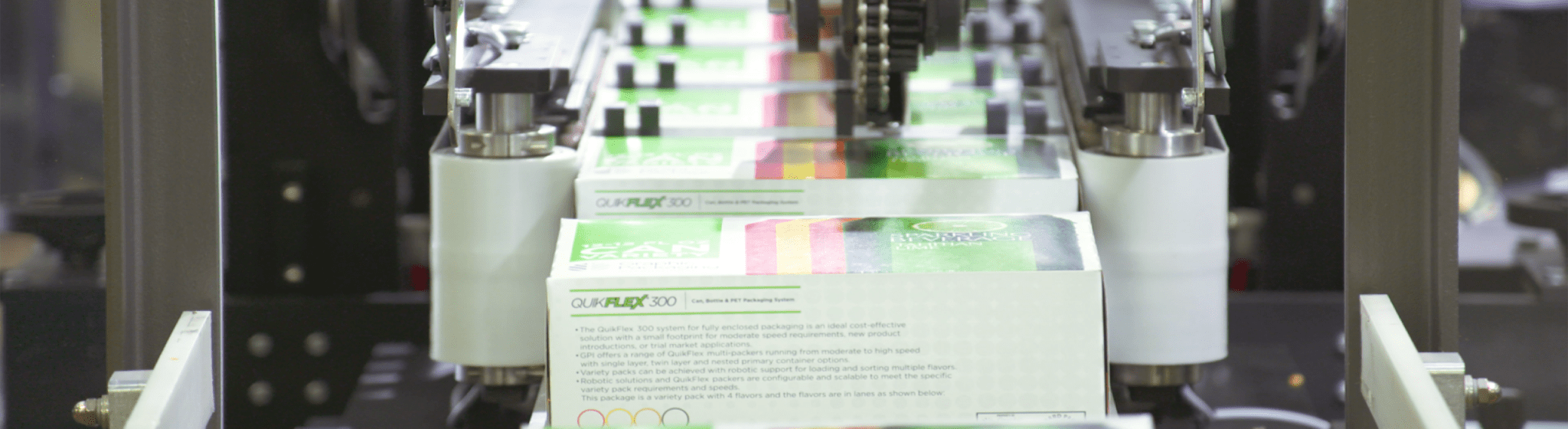
From Protection to Performance: The New Role of Beverage Secondary Packaging
From Protection to Performance: The New Role of Beverage Secondary Packaging
Secondary packaging has moved far beyond its traditional role as a protective outer layer. In today’s beverage market, secondary packaging now acts as a strategic driver: a visible expression of brand intent that can help reduce material impact, improve shopper convenience, support operational performance and create a more connected consumer experience. As sustainability expectations, retail pressures and changing consumption habits converge, the most effective secondary packaging is no longer simply fit for purpose. It is designed to do more.
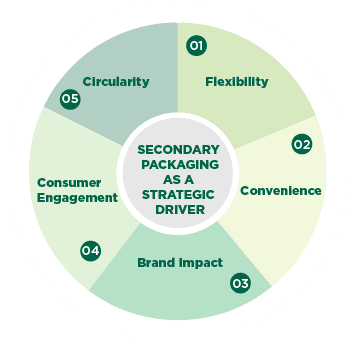
1. Flexibility is becoming a competitive advantage
As beverage portfolios expand and SKU variety grows, flexibility is becoming a more important packaging requirement. Brands need secondary beverage packaging that can accommodate different product counts, formats and pack configurations, while still supporting efficient production and strong shelf impact.
This is why renovation is often replacing reinvention. Instead of inventing completely new systems, numerous drink brands are updating tried-and-true packaging styles by enhancing their structure, using better materials, and boosting their visual appeal. Rounded corners, cleaner silhouettes and simplified structures can make a pack feel more premium, while still working within current equipment and production footprints.
Paperboard solutions offer clear advantages in this context, combining structural versatility with high-quality print to support personalization, promotional messaging, shorter runs, variety packs and customer-specific activity.
By providing brands with more flexibility within a known material framework, they can better balance efficient operations with the need to keep their portfolios current, relevant, and aligned with shifting consumer expectations.
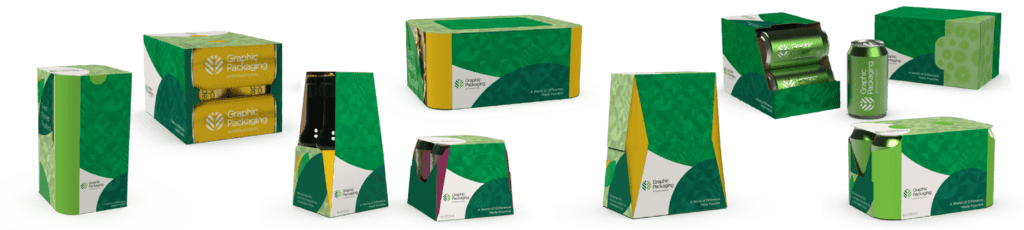
The QuikFlex™ 2100G4 delivers greater carton design freedom for fully enclosed cartons, enabling faster, simpler changeovers, and removing the need to plan pack styles too far ahead. Supports 4- to 30-pack configurations.
- Growing SKU variety is increasing the need for adaptable secondary packaging.
- Small structural changes can refresh proven formats without major operational change.
- Paperboard can support personalization, seasonal activity and multiple pack configurations.
2. Convenience remains a powerful consumer cue
While sustainability may dominate the industry agenda, convenience continues to shape consumer preference. Shoppers want packs that are easy to identify, pick up, carry, open, store and use. Integrated handles, intuitive openings, fridge-ready formats and at-home dispensing features are becoming valuable ways to improve the everyday experience.
Changing consumption habits are also influencing pack design. Smaller can sizes, mini formats and compact multipacks reflect growing demand for moderation, portion control and lifestyle flexibility. At the same time, economic pressure is encouraging interest in bulk packs and variety formats, giving consumers value and choice without locking them into a single flavor or product.
Protection and hygiene remain part of the equation too. Partial or full enclosure can help shield can tops and bottle caps, while also giving brands a larger canvas for communication, graphics and promotional storytelling.
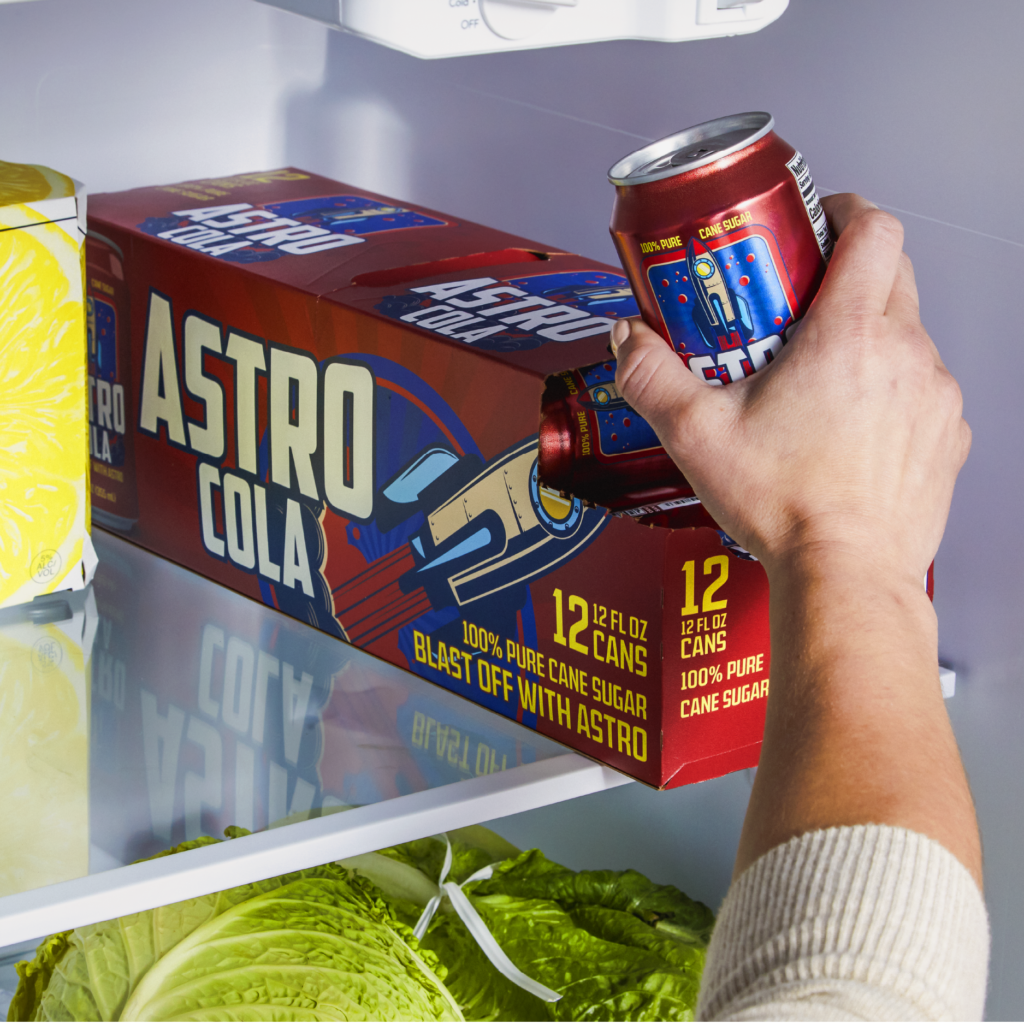
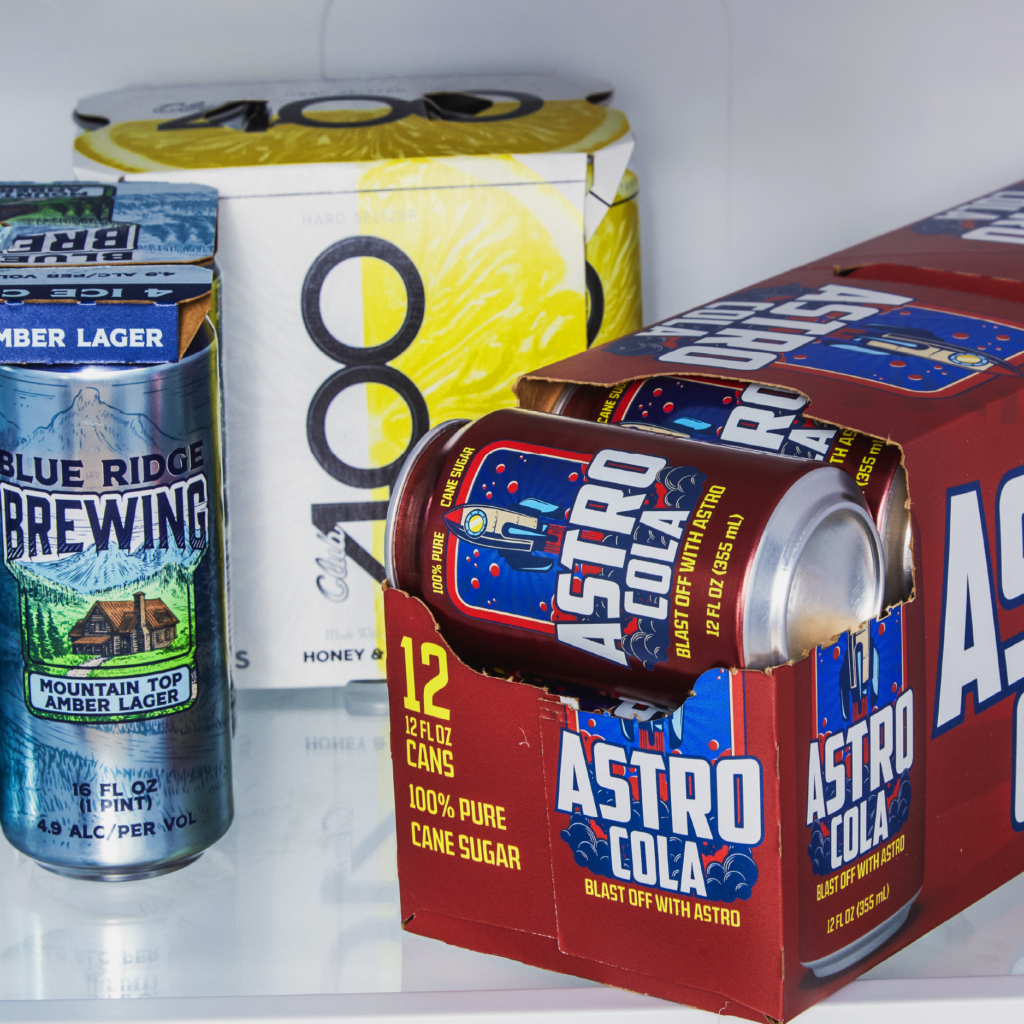
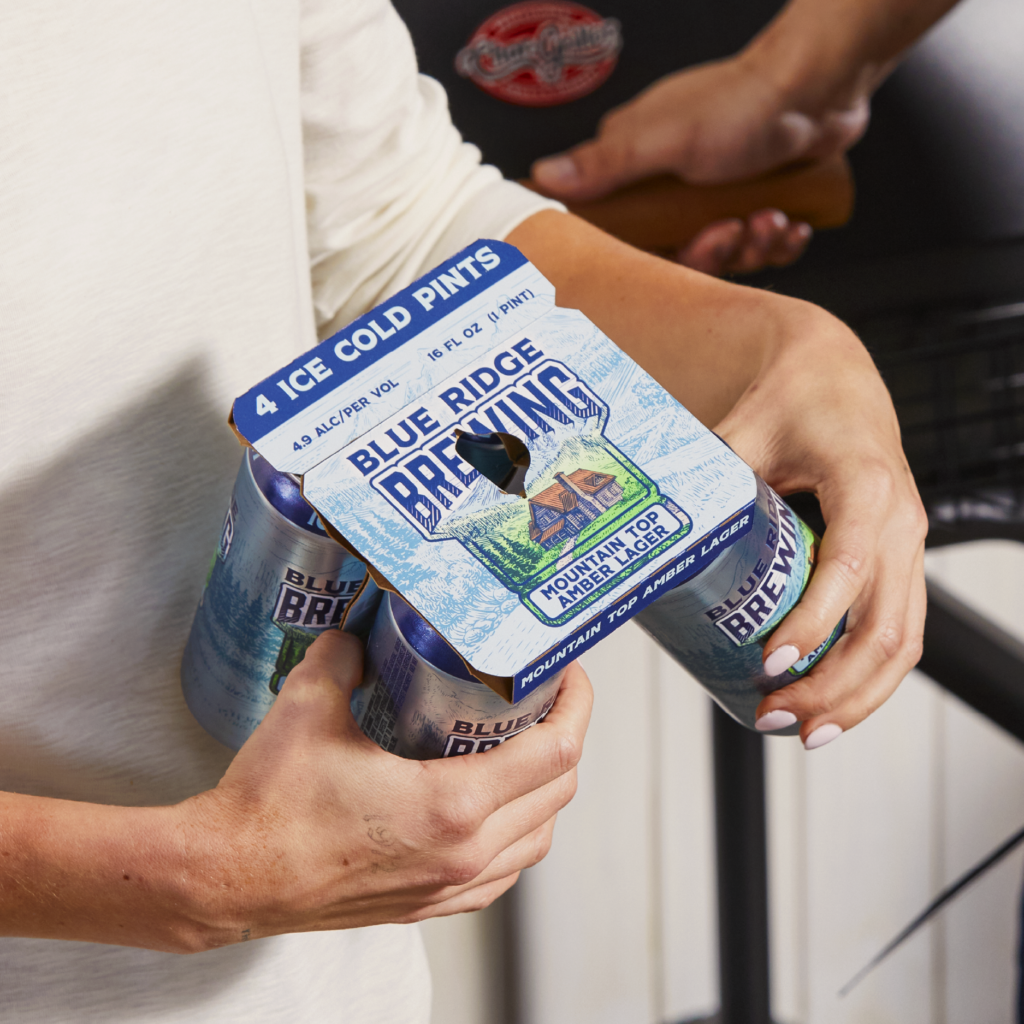
Fridge Vendor™ delivers great convenience
From clips to fully enclosed cartons, 2-packs to 48-packs
KeelClip™ covers can tops, enhancing hygiene while delivering brand impact
- Convenience influences everything from handling to storage and at-home use.
- Smaller formats and bulk packs are both gaining relevance for different need states.
- Enclosed formats can support hygiene, protection and brand storytelling.
3. Material cost is only part of the story
Selecting the right secondary packaging starts with a clear understanding of how the product will be packed, moved, sold and used — and where cost is created across that journey.
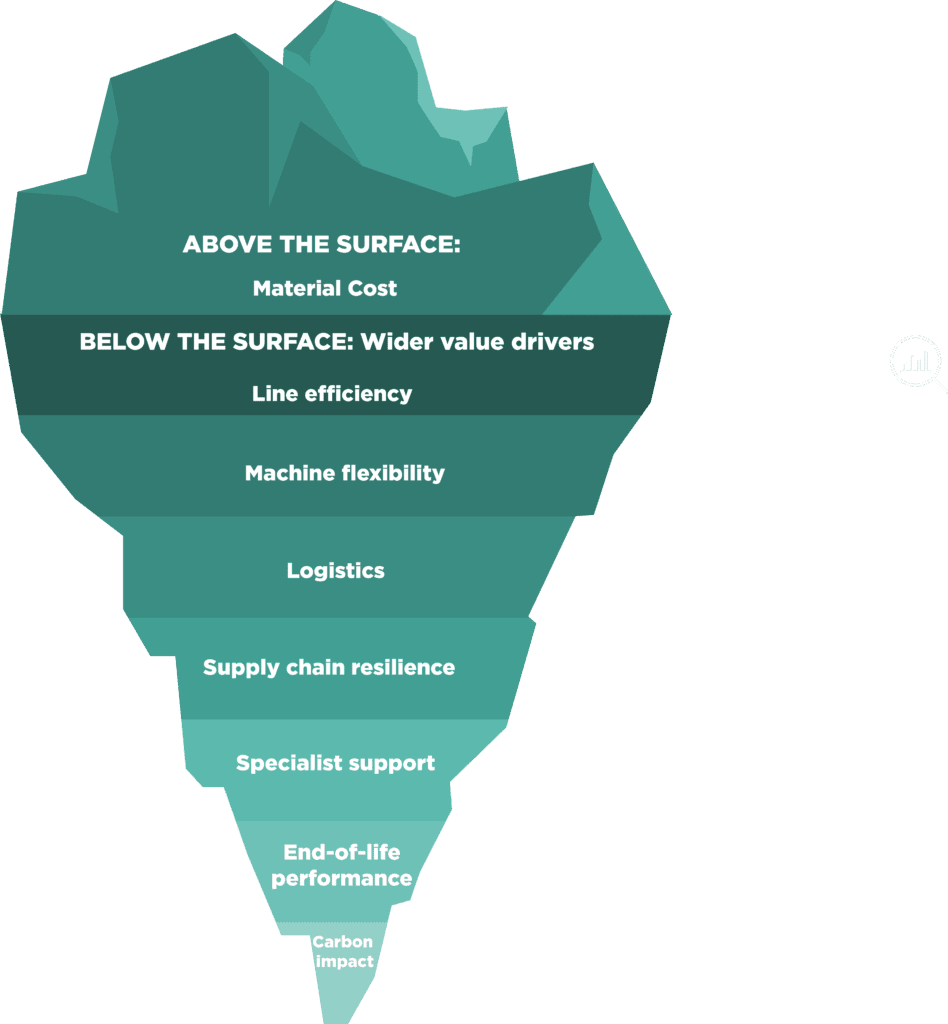
That’s why total cost of ownership is becoming central to packaging decisions. Material cost is only one factor. Producers also need to consider line efficiency, machinery flexibility, logistics, supply chain resilience, specialist support and training and end-of-life performance in terms of carbon impact.
These factors can all influence overall cost, which is why early collaboration with packaging partners is so important: it can help optimize design, reduce excess material, improve operational efficiency and identify where alternative formats may deliver better results.
- Material cost is only one part of the total cost equation.
- Line efficiency, logistics, machinery flexibility and supply resilience can all influence overall cost.
- Early collaboration can help reduce waste, improve efficiency and identify better-value formats.
4. Brand impact doesn’t end at the shelf
Even when beverage packs are not selected from a physical shelf, their visual and functional impact still matters. Click and collect, delivery and digitally influenced shopping journeys can reduce the moment of in-store comparison, but they do not reduce the role of packaging in shaping perception. A high-impact secondary pack can reassure consumers at collection, support brand recognition at handover and create a stronger experience when the product reaches the home.
In these moments, packaging needs to work harder as a brand cue. Strong graphics, clear messaging and quality print can help a pack feel considered and distinctive, even when the purchase decision has already happened online. For beverage brands, this means secondary packaging must be designed not only for shelf standout, but for every point where the consumer sees, handles or shares the product.
- Click and collect still requires strong brand impact beyond the shelf.
- Packaging can reassure consumers at collection, handover and at home.
- Strong graphics and print quality help packs remain distinctive after online purchase.
5. Packaging is a consumer engagement platform
Secondary packaging is often one of the first branded touchpoints a consumer sees. Increasingly, brands are using it not only to protect and promote the product, but to create richer interaction. Accessible features such as braille can broaden usability, while augmented reality, QR codes and NFC technologies can connect the physical pack to digital content, loyalty programs, traceability information or brand experiences.
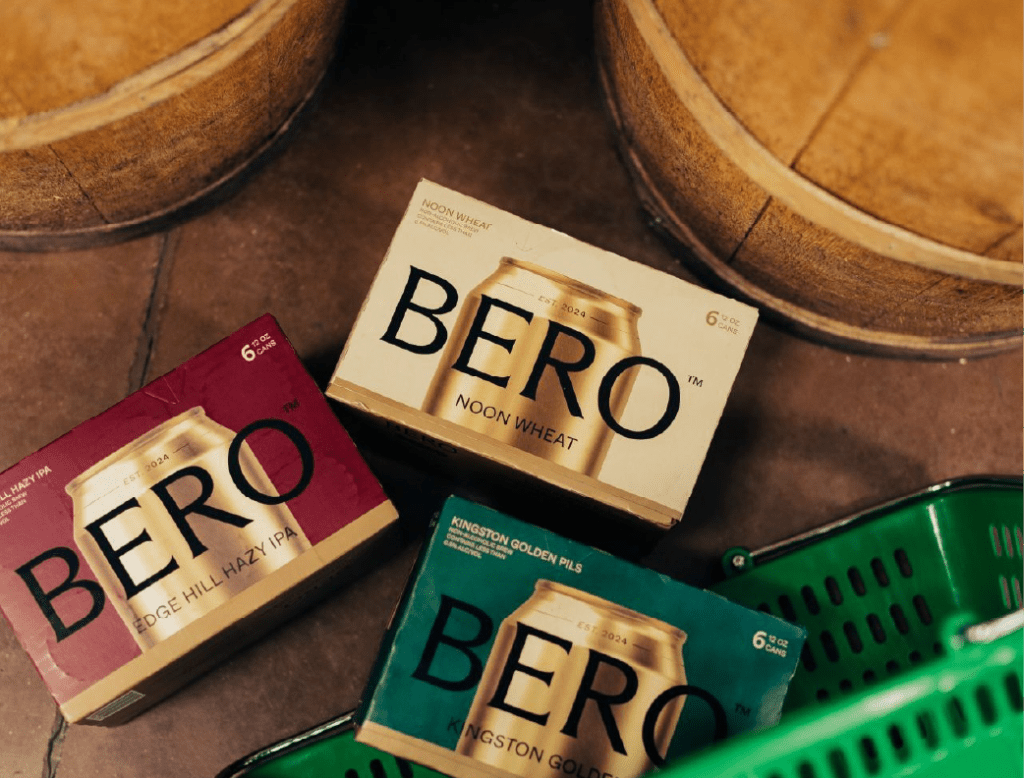
For example, Graphic Packaging’s work with BERO used paperboard multipacks with unique QR codes printed inside the pack, supporting traceability while linking consumers to Club BERO, the brand’s loyalty program. It demonstrates how secondary packaging can become a bridge between shelf impact, practical performance and ongoing engagement.
- Secondary packaging can connect physical packs to digital brand experiences.
- Accessible features and smart technologies can broaden usability and engagement.
- Our work with BERO shows how packaging can support traceability, loyalty and brand connection.
6. Circularity is reshaping the brief
For beverage producers, the circularity conversation is becoming more sophisticated. The shift away from plastic shrink film and rings towards paperboard alternatives remains important, but it is not happening at one pace everywhere. Regulation, infrastructure and category economics all influence how quickly brands can transition.
As a result, many companies are taking a more strategic route: reducing material use, lightweighting packs and improving designs to lower overall carbon footprint. This broader view recognizes that sustainable packaging is not defined by a single claim. Recyclability, renewable inputs, material efficiency, carbon impact and circularity all need to be considered together.
That approach is expanding the range of beverage multipack formats available, from wrap and clip-style solutions to basket carriers and fully enclosed cartons. The benefit is flexibility: brands can choose structures that align sustainability ambitions with cost, performance, retail requirements and production realities.
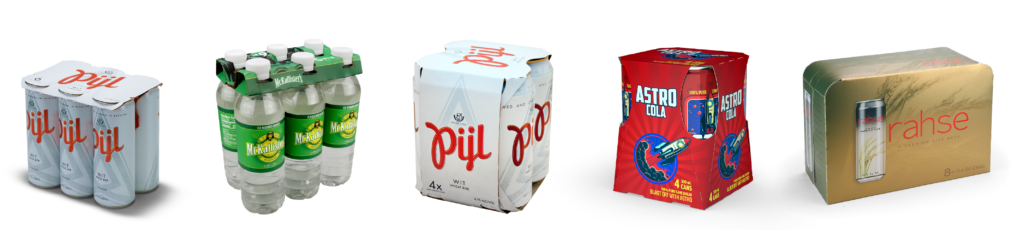
- Sustainability is now broader than material substitution alone.
- Brands must balance recyclability, carbon impact, circularity and cost.
- Format choice is expanding as brands look for practical, scalable alternatives.
A more demanding role for secondary packaging
The future of beverage secondary packaging will be defined by balance across the full packaging journey. Brands require solutions that enhance production efficiency, maintain performance during distribution, make a strong impact and are easy to use in retail settings, increase convenience in the home, and support circularity at the end of a product’s life. Successful companies will be the ones that see secondary packaging as a strategic tool right from the beginning. This approach can cut down unnecessary costs and complexity, while also boosting brand value, enhancing the consumer experience, and promoting a more circular economy.

Want to learn more? Contact us today and connect with a member of our expert team.
Related Resources
Article
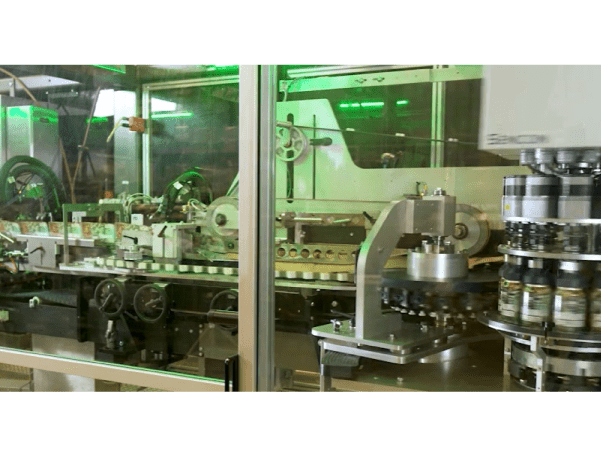
Smarter Lines, Faster Growth: The New Era of Beverage Packaging Machinery
April 27, 2026
Smarter, flexible multipacking lines are helping beverage producers boost OEE despite labour volatility, more SKUs, and ageing equipment. Learn how next‑gen automation can cut downtime and deliver consistent pack quality.
Article
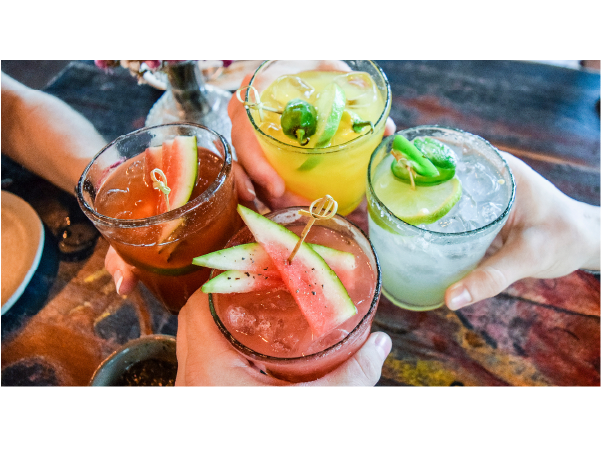
Drink Different: The Bold Beverage Trends Taking Over 2026
February 9, 2026
Explore how 2026’s beverage trends blend nostalgia, heritage ingredients, and modern innovation — from cascara brews to artisanal hot drinks — shaping meaningful, story‑driven drinking experiences for today’s consumers.
Article
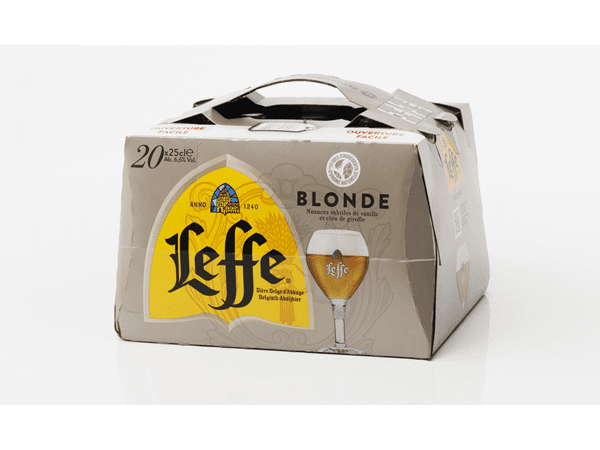
Advancing Innovation and Circularity in Beverage Packaging: The Award-Winning Leffe Beer Multipack
December 2, 2025
The award-winning Leffe beer multipack: Advancing innovation and circularity in beverage packaging.